
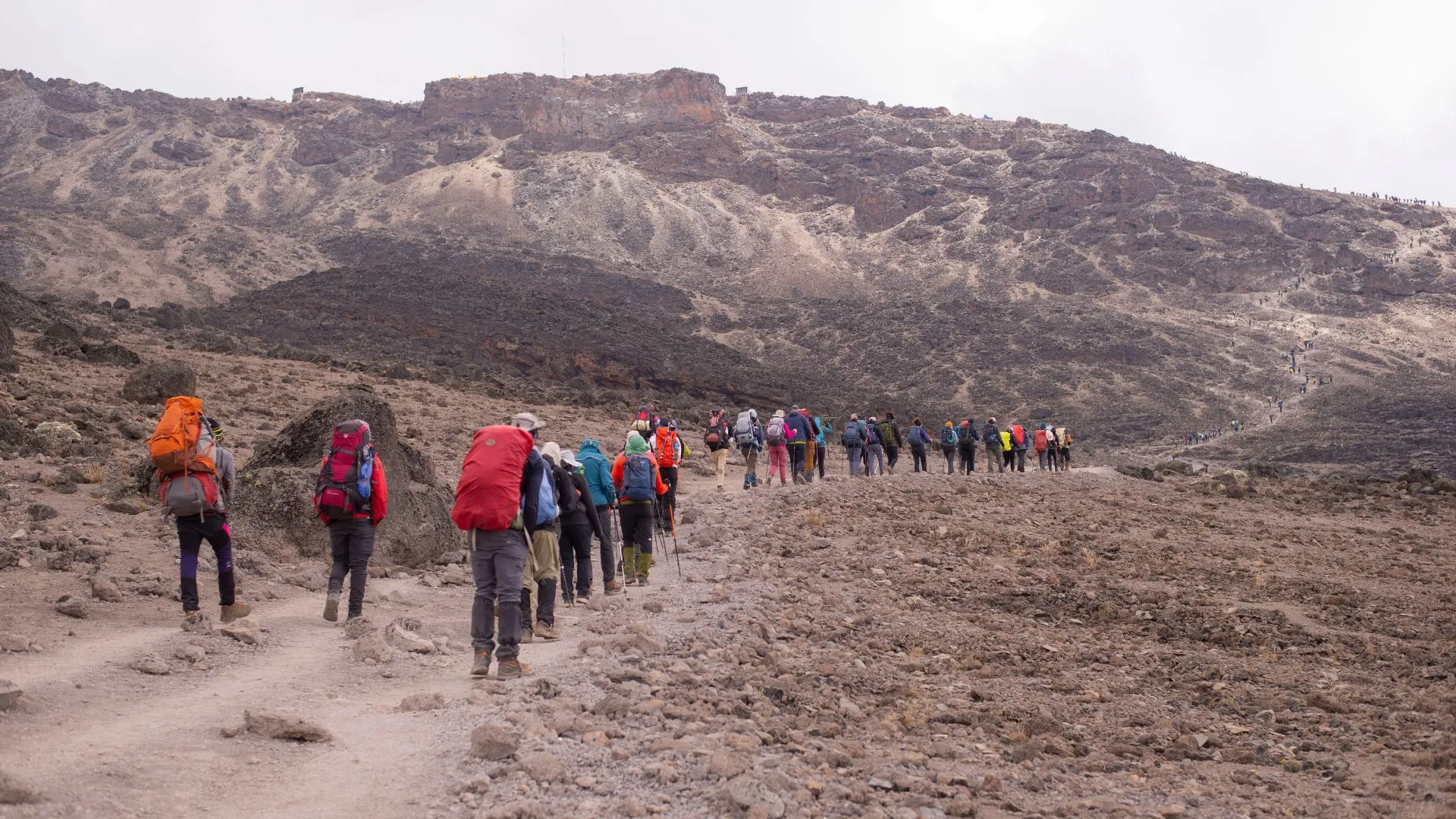
Many climbers start their journey to Africa’s highest peak with excitement, confidence—and a budget based on the advertised package price. But here’s the reality: the Climb Kilimanjaro Cost you see online is rarely the full cost you’ll actually pay. The difference lies in what is excluded from most Kilimanjaro Climbing Packages.
Understanding these exclusions is vital. Without proper planning, the Hidden Costs of Kilimanjaro can quickly stretch your budget, cause last-minute stress, or even affect your safety on the mountain. In this blog, we break down what’s usually excluded from Kilimanjaro Climbing Packages, explain why it matters, and help you prepare realistically for the full Kilimanjaro Climb Cost—with no unpleasant surprises.
Commonly Excluded Costs in Kilimanjaro Climbing Packages
1. International Flights
Flights to Tanzania are almost never included. Depending on where you’re travelling from and the season, airfare can be one of the biggest expenses in your entire trip.
Flight prices fluctuate based on:
- Departure country
- Time of booking
- Travel season (peak months are June–October and January–February)
Why it matters
Flights can account for a significant portion of your total Kilimanjaro climb cost. Budget travellers may find affordable routes, while peak-season travellers can pay much more. Always factor this in early when planning your climb.
2. Visa Fee
Most visitors to Tanzania require a tourist visa. The Visa Fee varies by nationality and is usually paid online or upon arrival.
While the cost may seem small compared to the overall trip, it’s an unavoidable expense and part of the Hidden Costs of Kilimanjaro that travellers often forget to budget for.
Why it matters
Failing to plan for the visa fee can delay your entry or cause unnecessary stress upon arrival. It’s a small cost, but a mandatory one.
3. Travel Insurance
Travel Insurance is one of the most important excluded costs—and one of the most underestimated.
A proper policy should cover:
- High-altitude trekking
- Emergency evacuation
- Medical treatment abroad
Why it matters:
Without proper insurance, rescue or evacuation costs can be extremely expensive. Skipping this step to save money can turn into one of the biggest hidden costs of Kilimanjaro if something goes wrong.
4. Personal Gear Cost
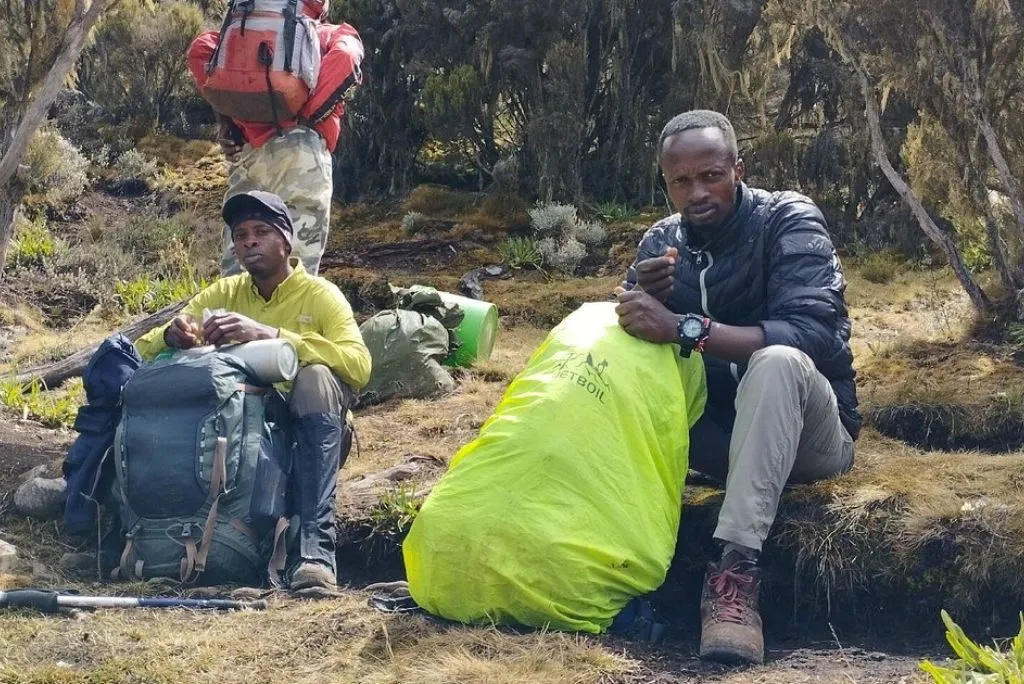
While group equipment is provided, personal gear is your responsibility. This includes:
- Hiking boots
- Sleeping bag
- Insulated jacket
- Rain gear
- Backpack
- Trekking poles
Why it matters
Inadequate or poor-quality gear affects comfort, safety, and summit success. Investing wisely—or renting from reputable operators—is crucial when evaluating your total Climb Kilimanjaro cost.
5. Tips for Guides, Porters, and Cooks
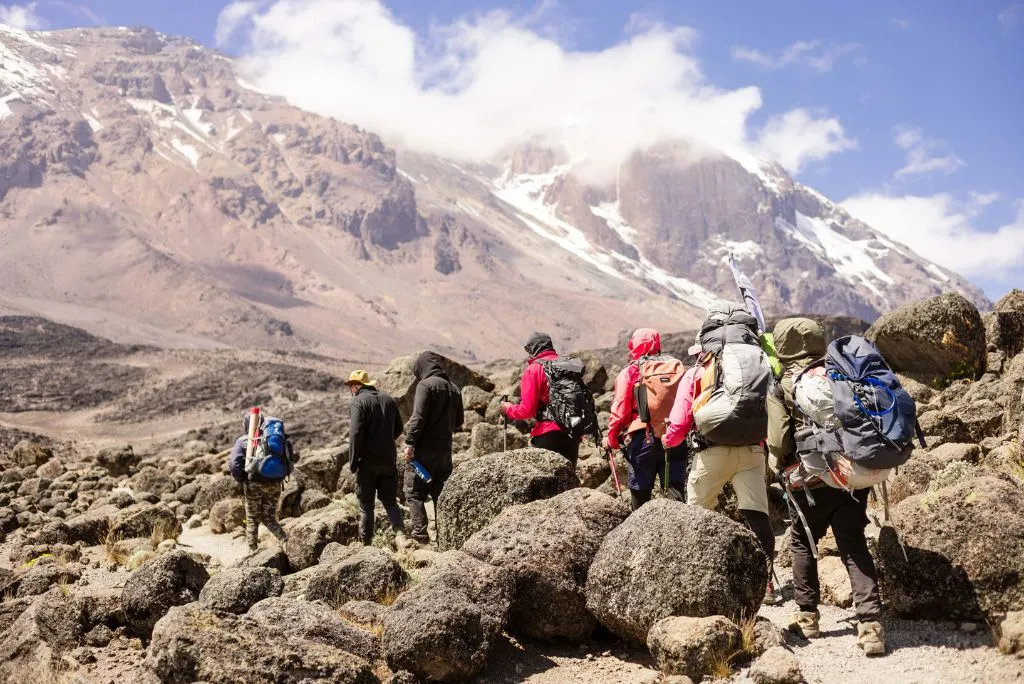
Tipping is not optional on Kilimanjaro Climb—it is an established part of mountain culture and an important income source for staff.
Tips are excluded because:
- Group sizes vary
- Route length affects staffing
- Climbers tip individually or as a group
Why it matters:
Tipping can represent a noticeable portion of the overall Kilimanjaro climb cost, and failing to budget for it can leave climbers unprepared at the end of the journey.
6. Hotel Upgrades & Extra Nights
Most packages include basic hotel accommodation before and after the climb, but exclusions may apply for:
- Luxury hotel upgrades
- Extra nights due to early arrival or late departure
- Single-room supplements
Why it matters:
Accommodation preferences differ, and upgrades can increase your final Climb Kilimanjaro cost beyond the advertised price.
7. Meals Outside the Mountain
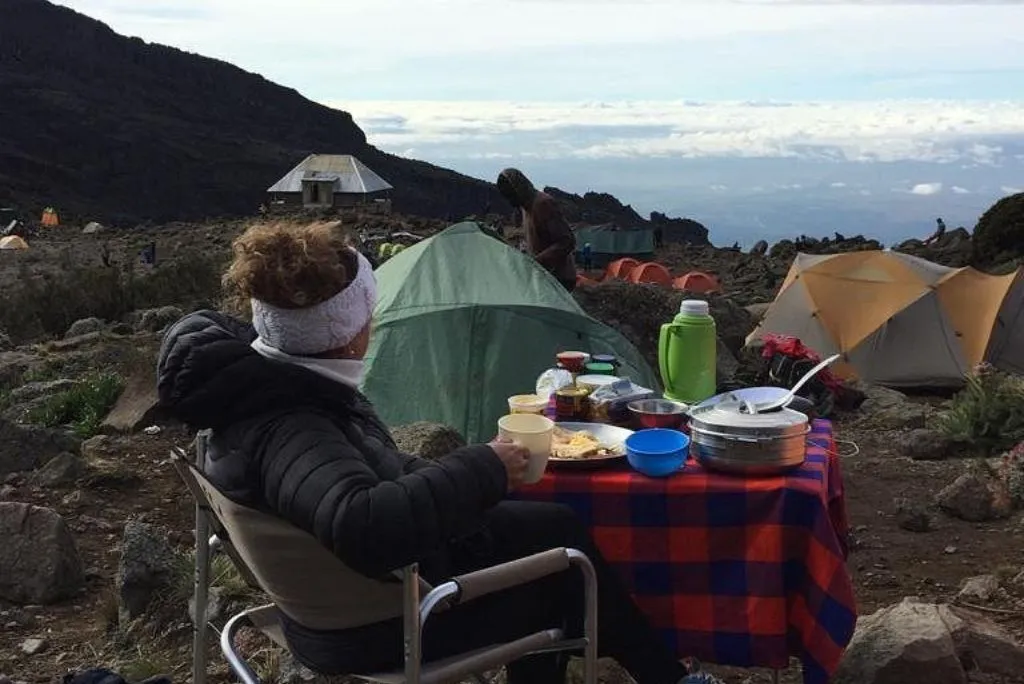
While meals on the mountain are usually included, meals in Moshi or Arusha—outside the trek—often are not.
This includes:
- Lunch or dinner on arrival day
- Meals during rest days
- Food after the climb celebration
Why it matters:
These small daily expenses can quietly add up and become part of the Hidden Costs of Kilimanjaro if not planned in advance.
8. Optional Add-Ons & Activities
Activities such as:
- Safari extensions
- Cultural village tours
- Hot springs visits
Why it matters:
Many climbers want to combine Kilimanjaro with a safari or beach holiday. These add-ons increase the total Kilimanjaro climb cost but also greatly enrich the experience.
How to Estimate These Extra Costs for Your Trip?
Below is a realistic cost estimate table to help you plan accurately.
| Excluded Item | Estimated Cost (USD) |
| International Flight | $800 – $1,500 |
| Visa Fee | $50 – $100 |
| Travel Insurance | $100 – $300 |
| Personal Gear Cost (buy/rent) | $200 – $600 |
| Tips (7–9 day climb) | $250 – $350 |
| Meals/Hotel outside trek | $100 – $200 |
| Total Excluded Costs | $1,600 – $3,000 |
Advice to Reduce the Hidden Costs of Kilimanjaro
- Pack Smart
Borrow gear where possible or rent locally instead of buying new items you’ll rarely use again.
- Book Early
Flights and insurance are cheaper when purchased well in advance. Last-minute bookings almost always cost more.
- Use Local Suppliers
Local Kilimanjaro operators often provide affordable gear rentals and clearer guidance on realistic tipping and visa processes.
- Understand Package Inclusions
Carefully review what your climbing package includes and excludes to avoid misunderstandings and unexpected Kilimanjaro expenses later on.
- Choose Proper Insurance
Select travel insurance covering high altitude trekking and evacuation to prevent costly emergencies on Kilimanjaro during your climb.
Plan Smart to Avoid Hidden Costs of Climbing Kilimanjaro
Climbing Mount Kilimanjaro is a life-changing adventure, but only when planned wisely. Knowing what’s excluded—from Travel Insurance and Visa Fee to Personal Gear Cost and tips—helps you avoid the most common hidden costs of Kilimanjaro.
When you budget realistically and choose Kilimanjaro Heroes Adventures as your climbing partner, you gain peace of mind, better preparation, and a safer, more enjoyable climb to the Roof of Africa. A successful summit begins with informed planning—and understanding the real Climb Kilimanjaro Cost is the first step.
[related_blogs]
Comment (0)