
Amboseli National Park
All About
Amboseli National Park
VISIT KENYA’S SAFARI TREASURE BENEATH KILIMANJARO’S SNOWY PEAK
Big Skies & Bigger Wildlife Encounters
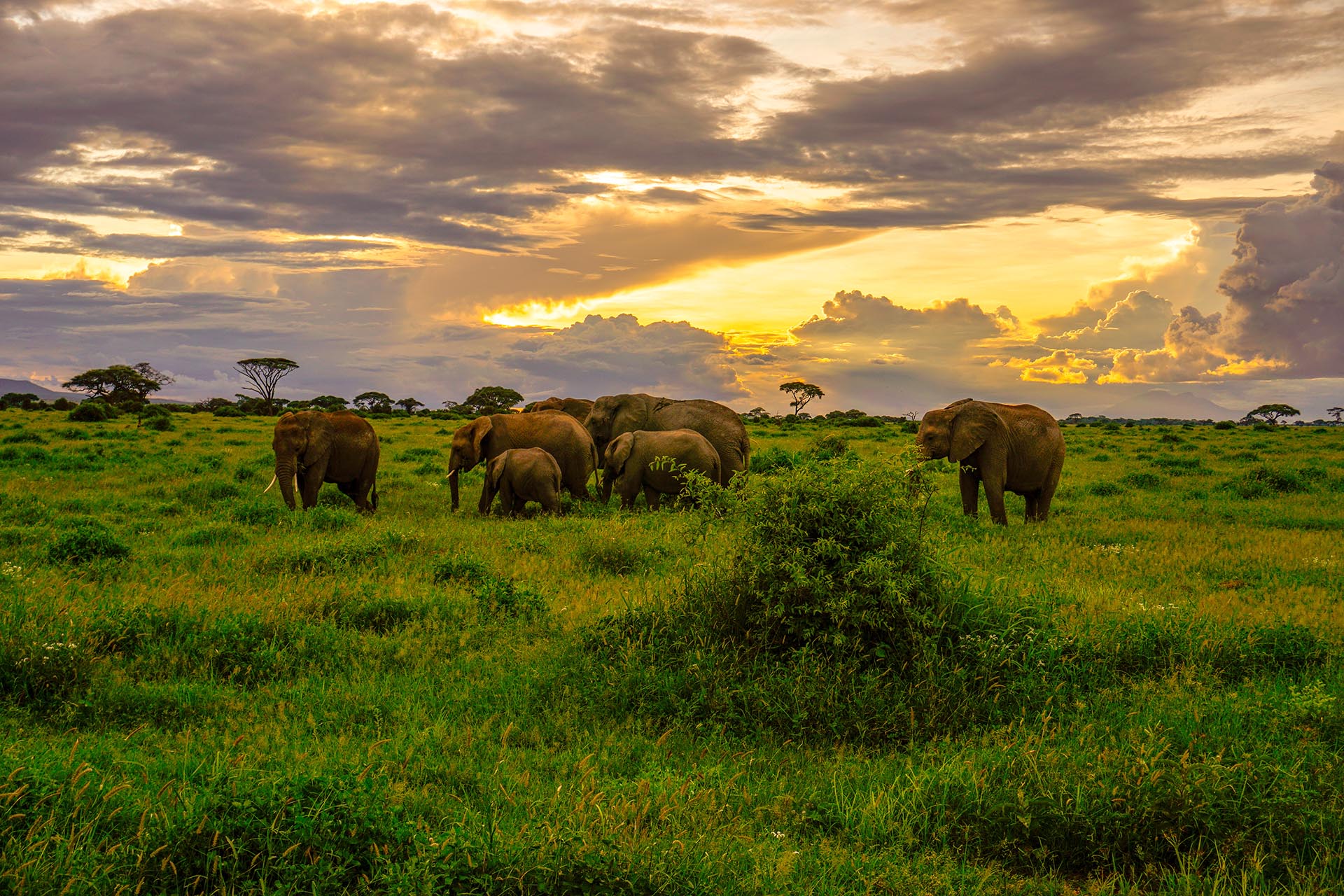
Amboseli National Park, located in southern Kenya near the Tanzania border, is a big safari favorite. With Mount Kilimanjaro as its stunning backdrop, the park is renowned for hosting Kenya’s largest elephant herds. Its compact size makes it perfect for day trips while still offering incredible wildlife experiences and scenic views.
Amboseli’s charm lies in its diverse wildlife, including lions, cheetahs, and flamingos thriving in swamps and open plains. The breathtaking sunrise and sunset views of Kilimanjaro add a magical touch, making Amboseli a must-visit destination in East Africa.
Historical Significance of Amboseli National Park
Established as a national park in 1974, Amboseli has a rich history of conservation. Before this, it was designated a game reserve in 1906, showcasing its long-standing commitment to protecting wildlife. In 1991, Amboseli gained UNESCO World Heritage status, further cementing its importance in preserving Kenya’s biodiversity.
Despite its small size of 392 square kilometers, Amboseli boasts a thriving ecosystem. Its proximity to Mount Kilimanjaro enhances its allure, offering visitors stunning views alongside remarkable wildlife encounters. Amboseli’s history and natural beauty make it a top choice for safari-goers worldwide.

Activities
Things to Do in Amboseli
ELEPHANT ENCOUNTERS AND CULTURAL DISCOVERIES DEFINE AMBOSELI
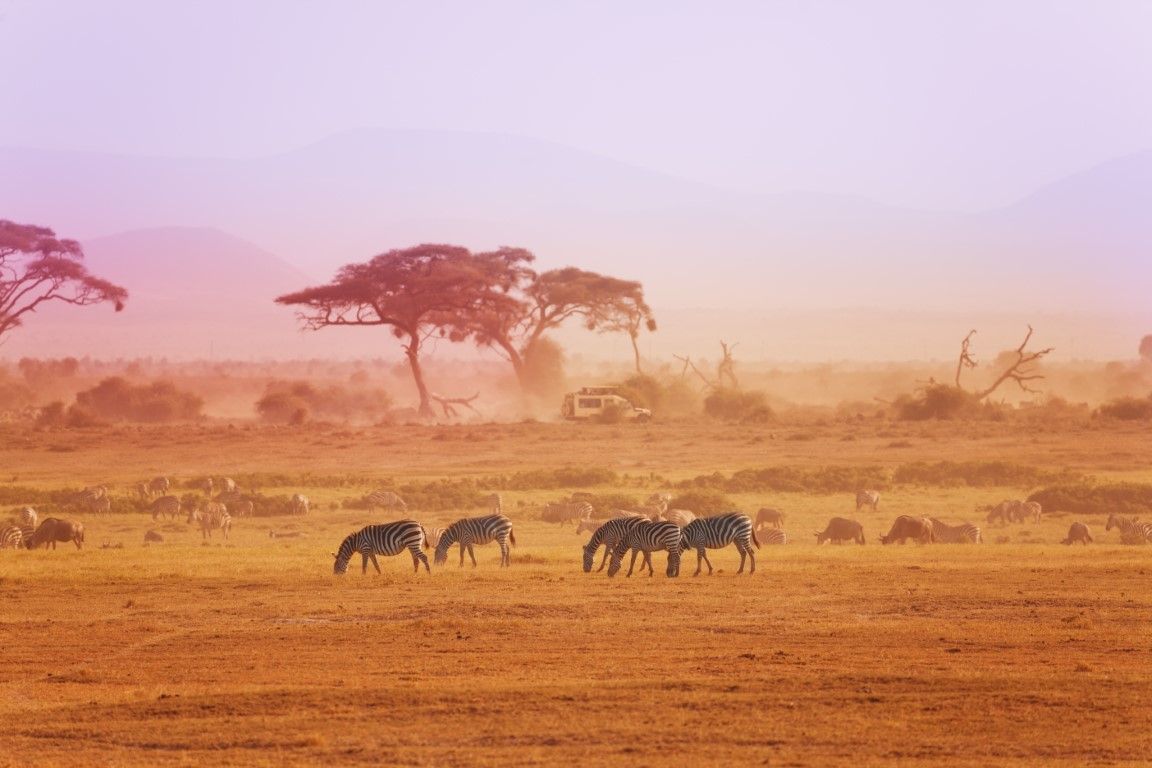
Game drives are a must-do in Amboseli, where vast elephant herds roam alongside lions, zebras, and giraffes. The stunning Mount Kilimanjaro backdrop makes these drives truly unforgettable. Amboseli’s year-round swamps ensure abundant wildlife sightings throughout your visit.
Amboseli’s birdlife is spectacular, boasting over 420 species, including flamingos and crowned cranes. Rainy seasons attract migratory birds, while dry months highlight resident species. Birdwatching here is perfect for seasoned and casual bird lovers alike.
How Can Amboseli Surprise You?
Immerse yourself in Maasai culture by visiting local villages. Witness their vibrant dances, intricate clothing, and rich traditions, gaining insights into one of Africa’s most iconic communities while supporting sustainable tourism efforts.
Unwind with a bush breakfast or dinner amidst Amboseli’s serene wilderness. For panoramic views of the park, climb Observation Hill, a rewarding experience that captures Amboseli’s vast plains, swamps, and wildlife at a glance.
Seasons
Best Time To Visit Amboseli National Park
DRY SEASON DRAMA AND KILIMANJARO’S FINEST VIEWS AWAIT
Although Amboseli National Park is open year-round, the best months to visit are the dry seasons, from June to October and January to February. Wildlife gathers around shrinking water sources, making game viewing exceptional. Early mornings and late afternoons offer the best chances of seeing Mount Kilimanjaro’s iconic silhouette.

Peak Season
June to October, January to February
Wildlife gathers at waterholes, creating prime game-viewing opportunities. Clear skies enhance Kilimanjaro views, especially during early mornings.
This is the busiest time for visitors, so plan accommodations early.

High Season
December to March
Wildlife remains plentiful, and cultural activities add to the allure. Clearer skies occasionally showcase Mount Kilimanjaro’s stunning peaks.
Crowds grow, and early bookings for lodges and safaris are advised.

Low Season
April to May
Lush greenery takes over as rains transform the landscape. Migratory birds arrive, making it a haven for birdwatchers.
While fewer visitors mean peaceful safaris, some roads may be less accessible due to mud.