
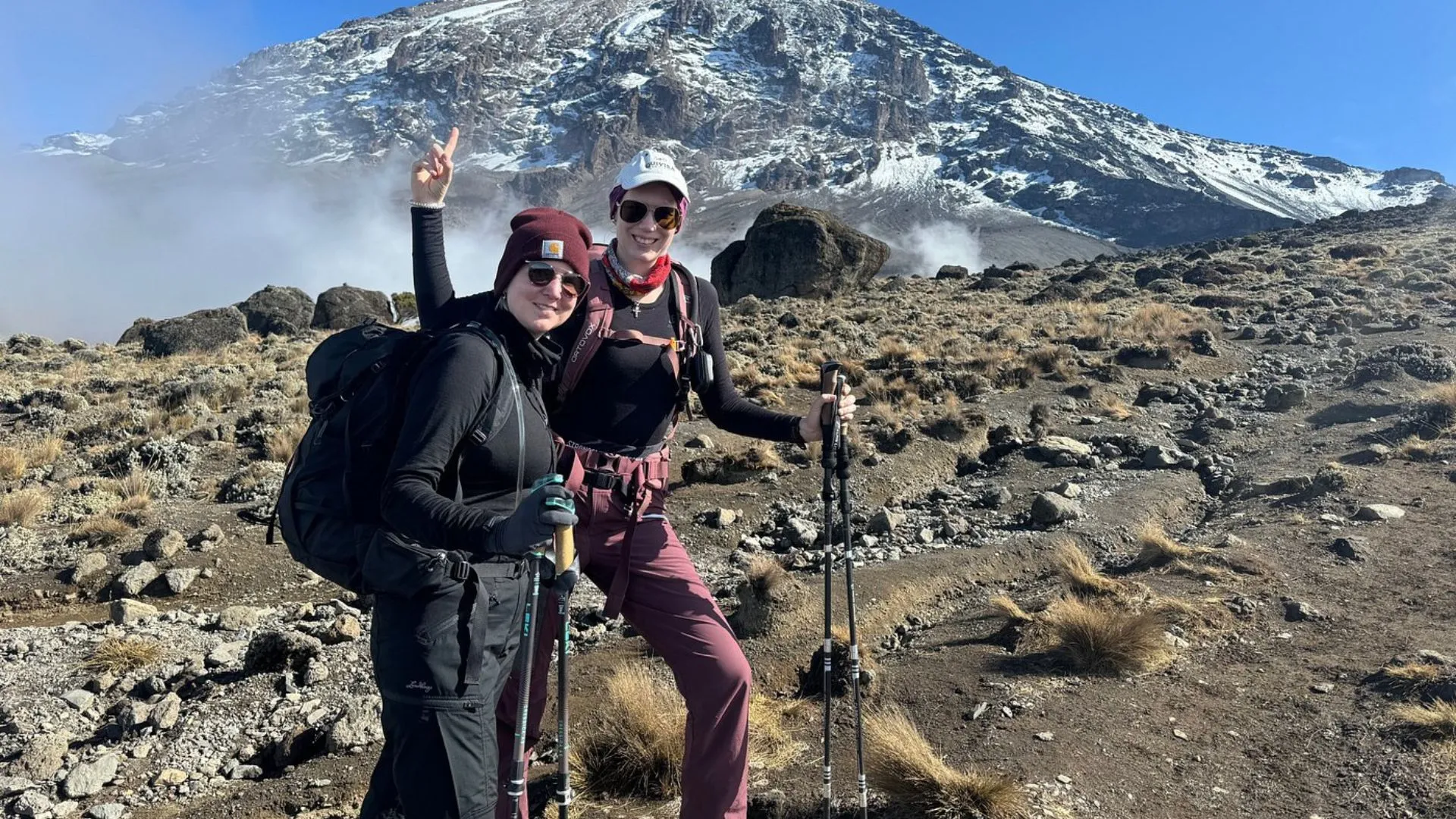
Climbing Mount Kilimanjaro is an awe-inspiring adventure, but it also comes with the challenge of extreme weather conditions. From the tropical heat at the base to the freezing temperatures at the summit, Kilimanjaro weather can vary drastically depending on the altitude and time of year. Whether you are trekking the Lemosho Route, the Machame Route, or any of the other Kilimanjaro Climbing Routes, understanding the mountain’s unpredictable weather is crucial to preparing for a safe and successful climb. In this blog, we’ll cover the essential aspects of Kilimanjaro Weather, how to prepare for cold, wind, rain, and snow, and what you need to wear to stay comfortable and safe.
Understanding Kilimanjaro Weather: What to Expect at Different Elevations
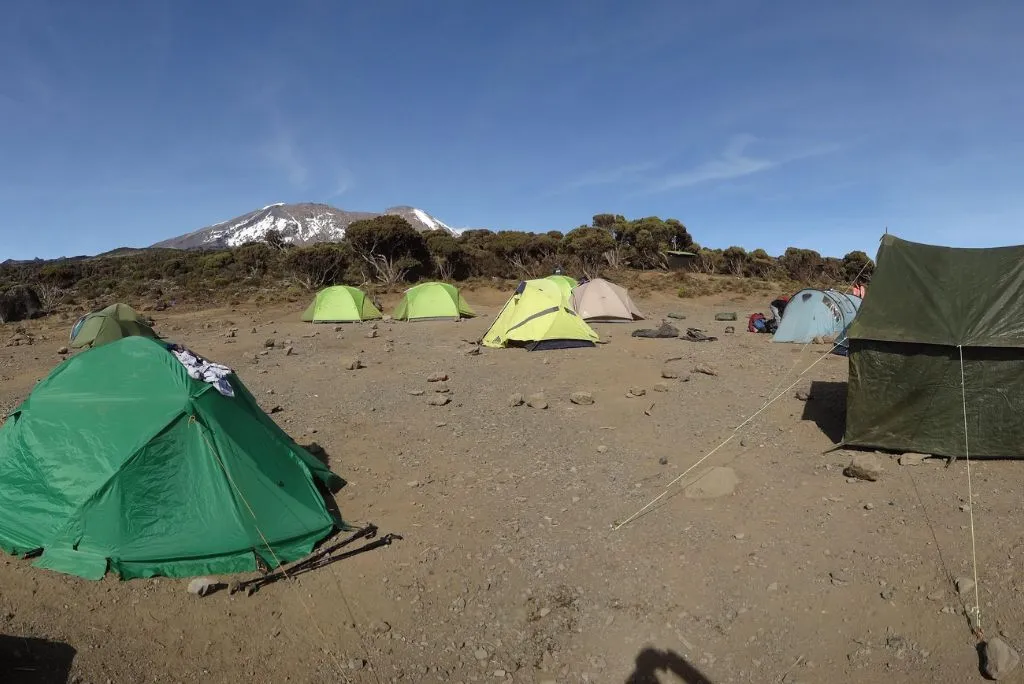
The Kilimanjaro Temperature by Month can range dramatically. At the base of the mountain, the weather is typically warm and humid, resembling the tropical conditions of East Africa. As you ascend, the temperature drops significantly, and weather conditions can shift unexpectedly.
Base Camp: Tropical Heat (1,000m – 2,500m)
At lower altitudes, especially in the rainforest zones, the Kilimanjaro Weather is warm and wet. Temperatures here range from 20°C to 30°C (68°F to 86°F) during the day. Kilimanjaro Rainy Season, which peaks from March to May, can bring heavy showers, making the trails muddy and slippery. You’ll encounter lush, dense vegetation, with occasional rainfall that makes waterproof gear essential.
Moorland and Alpine Zones (2,500m – 4,500m)
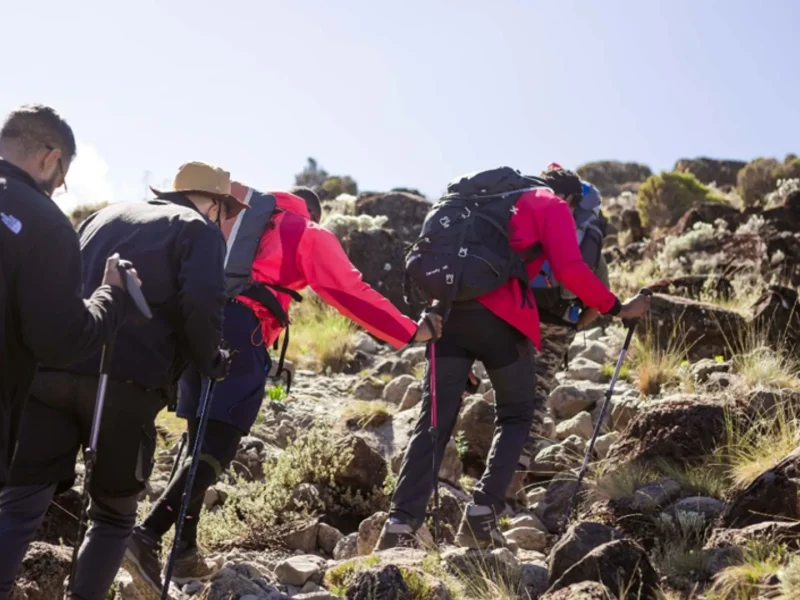
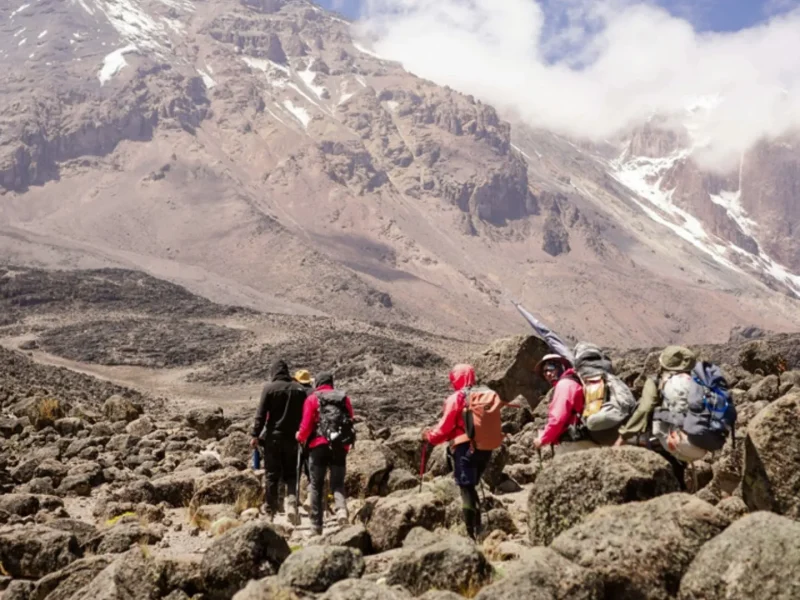
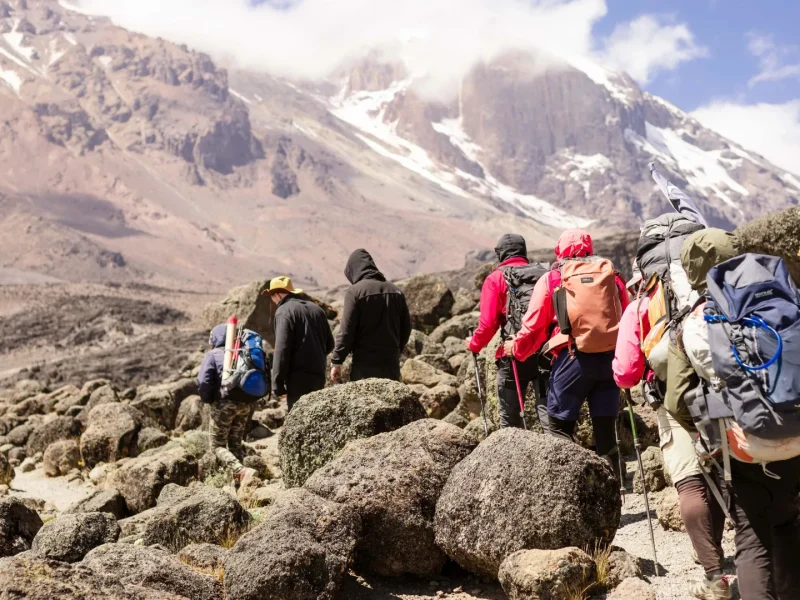
As you ascend, the Kilimanjaro temperature by month starts to fluctuate more drastically. Daytime temperatures are cooler, ranging from 10°C to 20°C (50°F to 68°F), but at night, temperatures can drop below 0°C (32°F). Wind, cloud cover, and the possibility of rain or snow become more frequent in these areas. Even if the weather is clear during the day, the high altitudes can make it feel colder than expected.
Summit (5,000m – 5,895m)
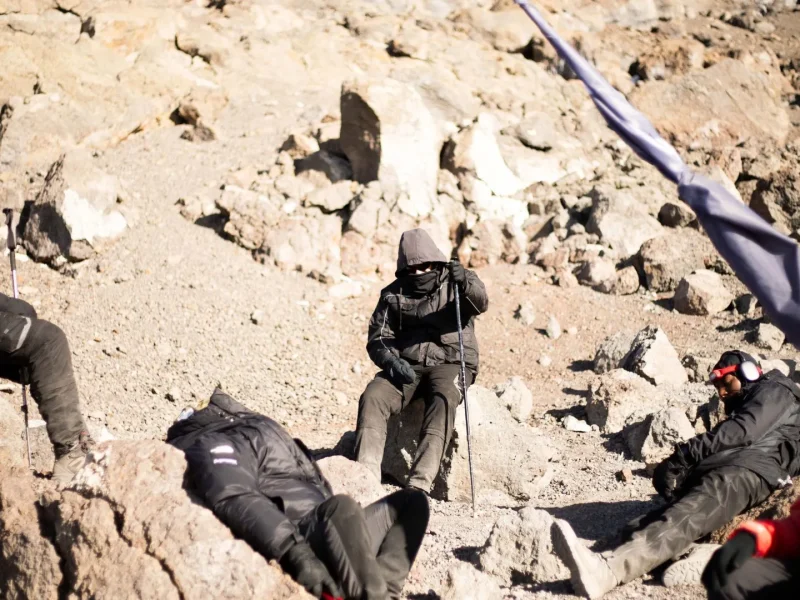
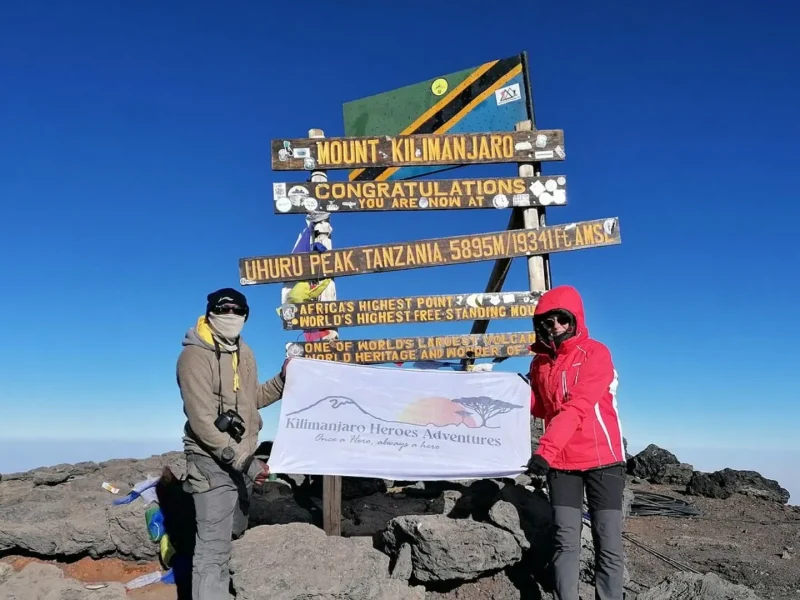
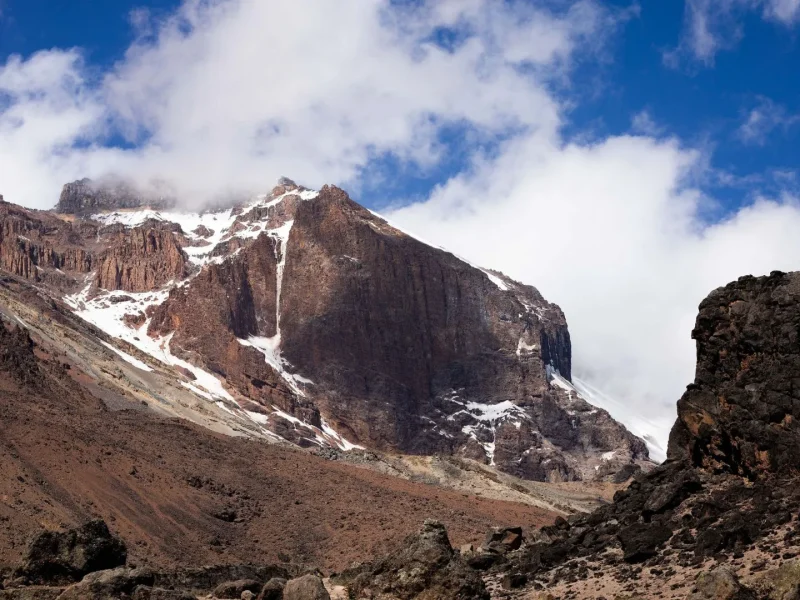
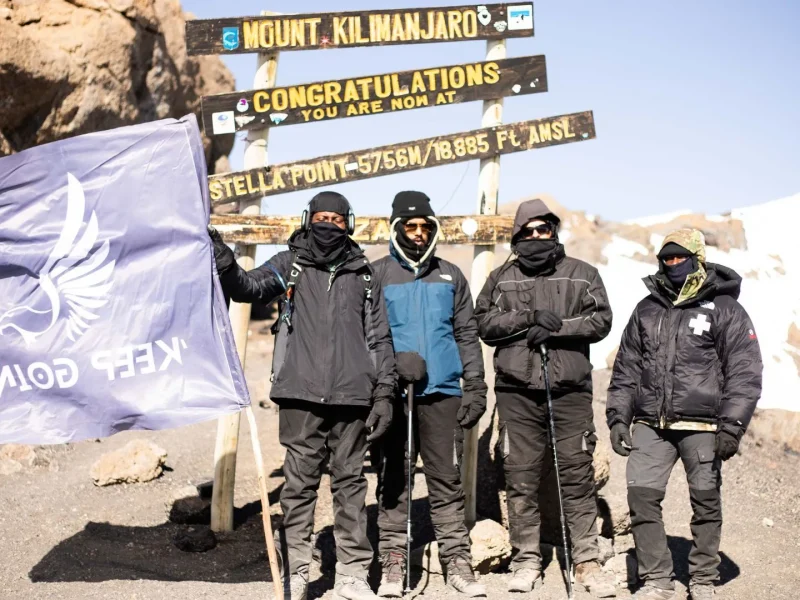
When you reach the summit of Kilimanjaro, you’re exposed to extreme weather conditions. Kilimanjaro Summit Weather is known for being cold, windy, and often snowy. During the day, the temperature at the summit can be as low as -10°C to -20°C (14°F to -4°F). At night, temperatures can plummet even further, sometimes reaching -30°C (-22°F). Winds at the summit can exceed 50 km/h (31 mph), and snow is not uncommon, especially in the months from June to September.
Best Time to Climb Kilimanjaro: Timing Your Adventure
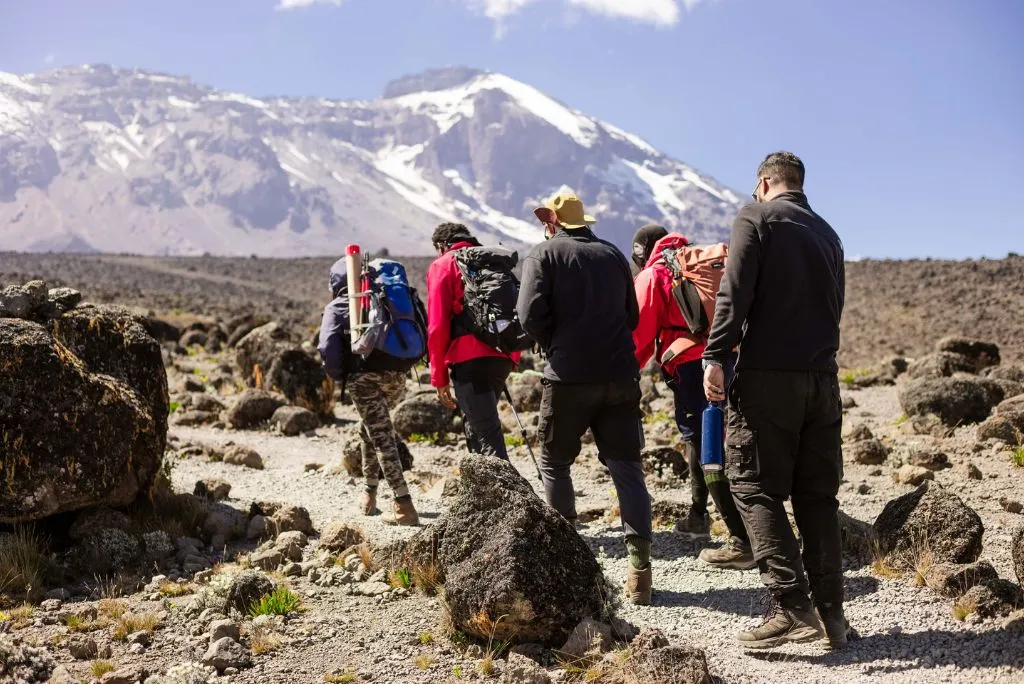
The Best Time to Climb Kilimanjaro largely depends on the weather patterns and your tolerance for cold and rain. The most favourable months for trekking are during the dry seasons:
- January to March: These months offer the best Kilimanjaro Weather conditions with clear skies and moderate temperatures. However, expect the coldest nights at the summit.
- June to October: This period also provides good weather with minimal rainfall. It’s the peak climbing season, so the mountain can be more crowded.
- April to May and November to December: These are the Kilimanjaro Rainy Season months, and conditions on the mountain can be challenging, with frequent downpours, slippery trails, and lower visibility.
How to Prepare for Cold, Wind, Rain, and Snow at Kilimanjaro
No matter when you decide to climb, you’ll need to be prepared for extreme Weather Conditions at different altitudes. Here are the key weather extremes you should prepare for:
- Cold and Wind
At high altitudes, the temperatures can drop drastically, especially at night. The summit, in particular, is exposed to strong winds, often creating wind chills that make it feel much colder than the air temperature. Kilimanjaro Altitude is the main factor behind these low temperatures, and even if the weather is clear, you’ll feel the cold more intensely.
Preparation Tip: Wear a high-quality insulating layer (such as a down or synthetic jacket) and pack a windproof outer layer to protect against biting winds. A warm hat, gloves, and a scarf are also essential.
- Rain
Rain is most common during the Kilimanjaro rainy season (from March to May). The lower elevations, especially the rainforest zone, receive heavy showers. Even during the dry season, brief afternoon showers can occur at higher elevations.
Preparation Tip: Bring a waterproof jacket, pants, and a rain cover for your pack. You’ll want to be prepared to stay dry to prevent hypothermia, especially as you ascend to colder, higher altitudes.
- Snow at the Summit
While Kilimanjaro Summit Weather is generally cold and windy, snow is not uncommon, especially between June and September. The snow can make conditions hazardous, with slippery trails and the potential for ice.
Preparation Tip: If you’re trekking during these months, pack gaiters to prevent snow and ice from getting into your boots, as well as waterproof boots that offer good traction.
What to Wear on Kilimanjaro: The Essential Packing List?
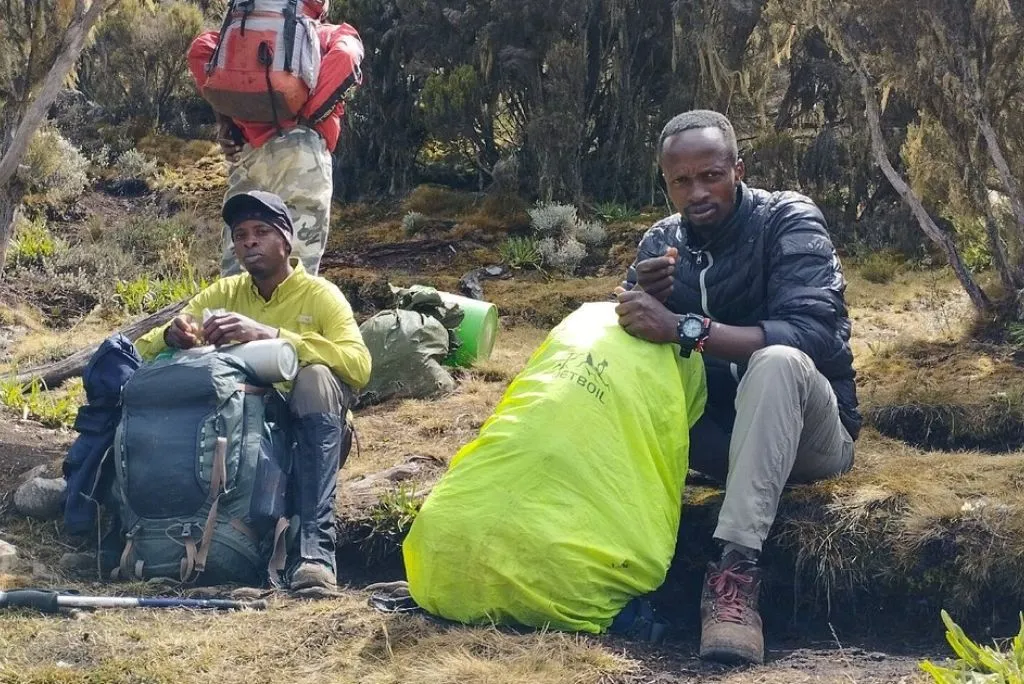
Understanding what to wear on Kilimanjaro is key to ensuring comfort and safety while crossing extreme conditions. Here’s a basic Kilimanjaro Packing List for weather extremes:
- Base Layer: Moisture-wicking clothing to keep you dry and warm, such as thermal underwear.
- Mid Layer: Insulating jackets (down or synthetic) to retain body heat.
- Outer Layer: A windproof and waterproof jacket and pants for protection against rain and wind.
- Footwear: Sturdy, waterproof trekking boots with good ankle support for rocky and wet terrain.
- Accessories: Warm gloves, hat, buff or scarf, and sunglasses to protect from cold, wind, and sun.
The layers should be easy to adjust based on the fluctuating Kilimanjaro temperature by month and altitude.
Climbing Kilimanjaro Routes: How Weather Affects Your Experience
While weather conditions are unpredictable across all Kilimanjaro Climbing Routes, some routes may be better suited for specific weather conditions. For example, the Lemosho Route, with its longer ascent profile, provides more opportunities for acclimatization, which can reduce the risk of altitude sickness, even if weather conditions at higher elevations are extreme.
Summit Kilimanjaro’s Weather with Proper Preparation
Climbing Kilimanjaro is a rewarding challenge, but it’s important to respect the mountain’s extreme weather conditions. Whether you’re facing rain in the lower regions or braving snow and freezing winds at the summit, Kilimanjaro Weather requires proper preparation. By carefully considering the Best Time to Climb Kilimanjaro, packing the right gear, and following our weather tips, you’ll be well-equipped to tackle any challenges the mountain throws your way.
Kilimanjaro Heroes Adventures experts guide you through every step of your Kilimanjaro trek. From choosing the right Kilimanjaro Route to providing expert advice on what to wear on Kilimanjaro, we ensure that your climb is as safe and comfortable as possible. Ready to take on the adventure? Contact us today and let’s make your Kilimanjaro dreams a reality!

Comment (0)