
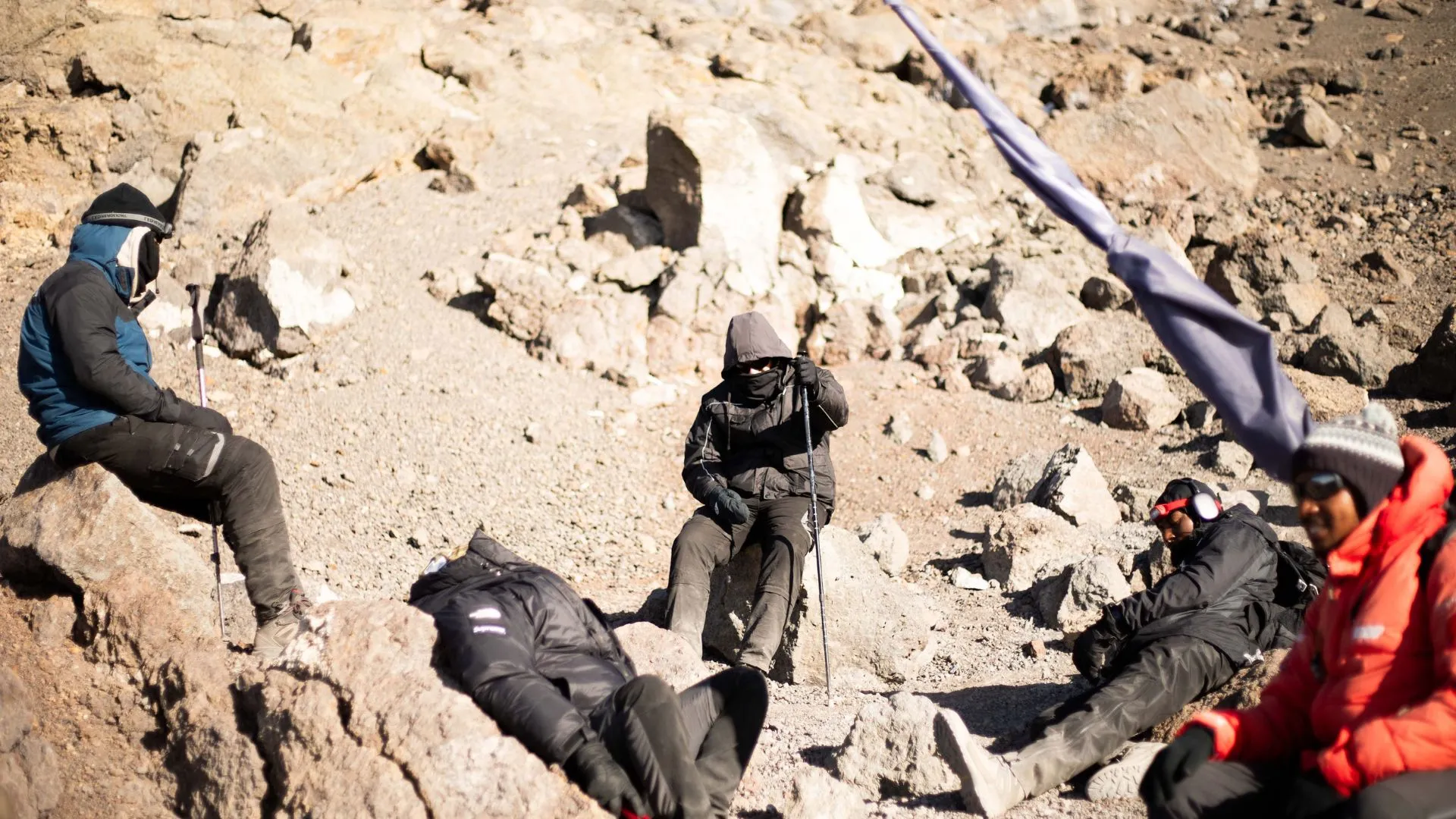
Climbing Mount Kilimanjaro, the highest peak in Africa, is an exhilarating experience that attracts adventurers from around the globe. However, the thrill of reaching the summit can be overshadowed by the challenges posed by the altitude. Altitude Sickness, also known as Acute Mountain Sickness (AMS), is a common concern for climbers. Understanding the symptoms, knowing how to prevent it, and being aware of the best acclimatization strategies are essential to ensuring a safe and successful trek. In this blog, we’ll explore the science behind altitude sickness, how to avoid it on Kilimanjaro, and how we manage it during your climb with our experts.
What is Altitude Sickness?
Altitude sickness occurs when you ascend to high altitudes too quickly without giving your body enough time to adjust. As you climb, the atmospheric pressure and oxygen levels decrease, which can lead to a variety of symptoms. The body requires time to adapt to these lower oxygen levels, and when this adaptation doesn’t occur at the proper rate, it leads to symptoms of altitude sickness.
On Mount Kilimanjaro, this typically starts to become a concern at elevations above 2,500 meters (8,200 feet), with the risk of more severe symptoms increasing as you approach the summit at 5,895 meters (19,341 feet).
Kilimanjaro Altitude Sickness Symptoms
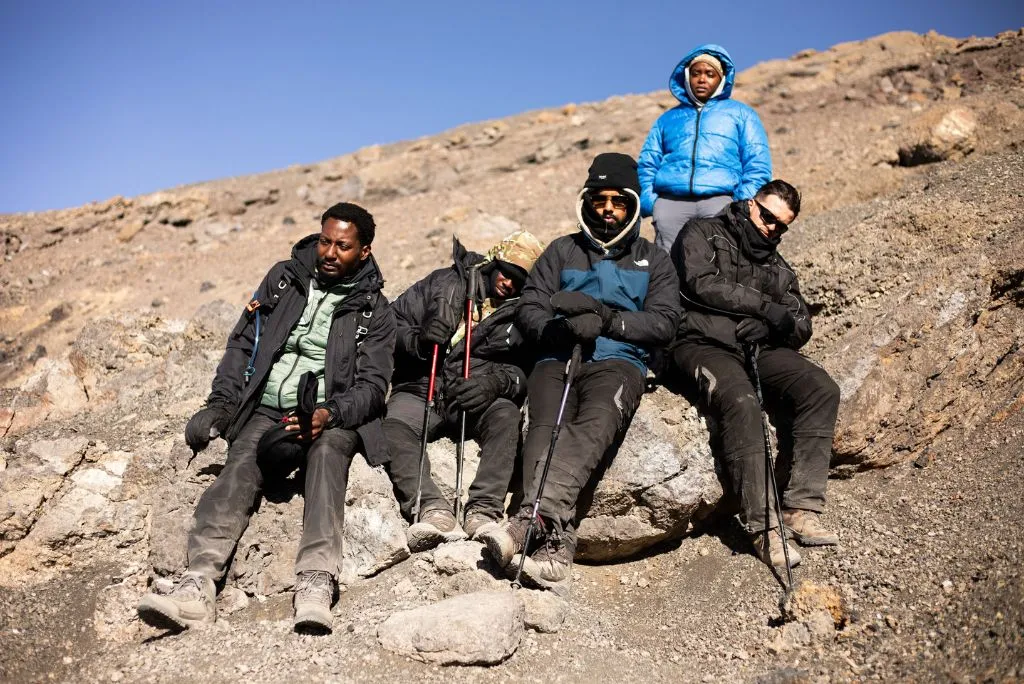
Understanding the symptoms of Altitude Sickness is vital for anyone planning a Kilimanjaro Climb. Early recognition can help prevent the condition from worsening.
The symptoms typically begin to appear within a few hours to a day after reaching higher altitudes and can range from mild to severe. Common Kilimanjaro Altitude Sickness Symptoms include:
- Headache: One of the most common symptoms, often felt as a dull or throbbing pain.
- Nausea and Vomiting: Many climbers experience stomach discomfort, especially in the early stages of ascent.
- Fatigue: As the body works harder to adjust to less oxygen, tiredness and weakness can set in.
- Dizziness: The lack of oxygen and dehydration can cause lightheadedness and an overall feeling of disorientation.
- Shortness of Breath: Even when resting, the body may struggle to get enough oxygen.
- Loss of Appetite: Climbers often feel less hungry as their body adjusts to the higher altitudes.
In more severe cases, altitude sickness can progress into High Altitude Pulmonary Edema (HAPE) or High Altitude Cerebral Edema (HACE), both of which are medical emergencies requiring immediate descent and treatment.
How to Avoid Altitude Sickness on Kilimanjaro?
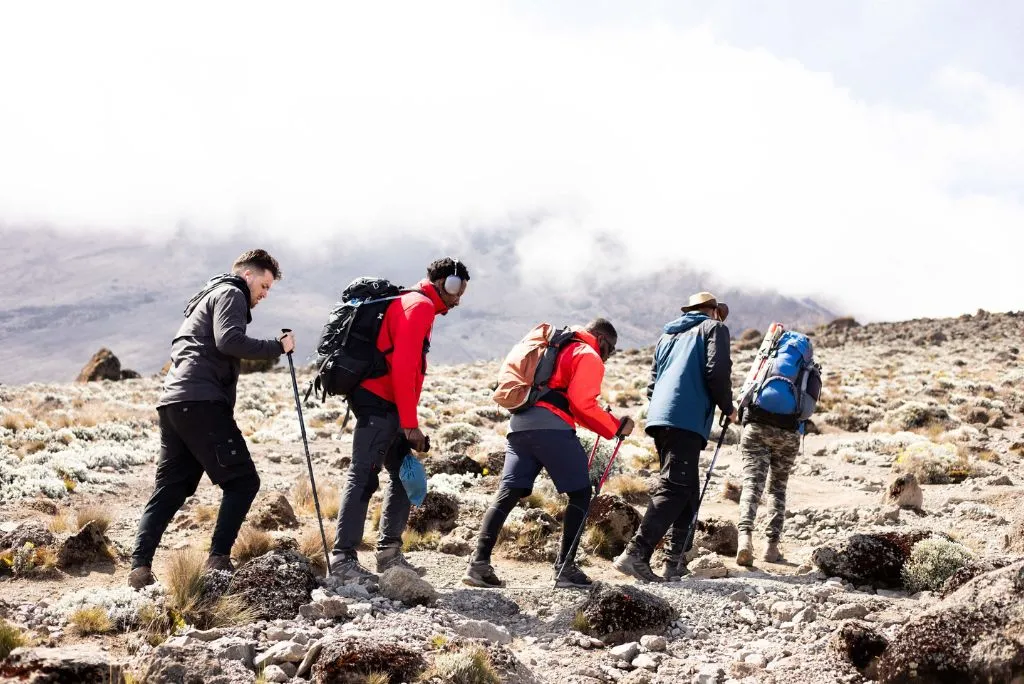
The key to avoiding altitude sickness on Kilimanjaro is proper acclimatization and gradual ascent. Here are the essential steps on how to avoid altitude sickness on Kilimanjaro:
- Gradual Ascent
The most important factor in Altitude Training for Kilimanjaro is to ascend slowly. Climbing too quickly doesn’t give your body enough time to acclimate to the decreasing oxygen levels.
Our Kilimanjaro Climbing Tours prioritize routes that allow for gradual ascent. This way, climbers spend more time at intermediate elevations, giving the body sufficient time to adjust. Routes such as the Lemosho and Machame are ideal because they allow for better acclimatization through extra days on the mountain.
- “Climb High, Sleep Low” Strategy
This is a key strategy for acclimatization, where climbers ascend to a higher elevation during the day and then descend to a lower altitude to sleep at night. This technique enhances acclimatization by forcing the body to adapt to the increased altitude during the day while getting restorative rest at lower elevations.
- Hydration
Dehydration can worsen the symptoms of altitude sickness, so staying well-hydrated is essential. Drink plenty of water throughout your trek. Our guides ensure climbers have easy access to fresh water throughout their journey to stay hydrated and combat the dry conditions at higher altitudes.
- Proper Nutrition
Eating well-balanced meals helps maintain energy levels and supports the body’s acclimatization process. High-calorie, easily digestible foods are best when Climbing Kilimanjaro. Our team prepares nutritious meals to ensure you have the right fuel for the journey.
- Rest and Listen to Your Body
One of the most important pieces of advice for anyone Climbing Kilimanjaro is to listen to your body. If you feel symptoms of altitude sickness setting in, take a break, and let your body adjust. If symptoms persist or worsen, descending to a lower altitude is the best course of action. Our guides are well-trained in recognizing the symptoms of AMS and can help you make the best decision for your health and safety.
Kilimanjaro Altitude Sickness Medication
While there is no cure for altitude sickness, there are medications available that can help mitigate symptoms. Diamox (Acetazolamide) is the most common medication prescribed to help prevent and treat altitude sickness. It works by speeding up the body’s adjustment to higher altitudes by increasing breathing and the amount of oxygen the blood can carry.
We ensure that all of our climbers are fully informed about the possible medications and carry a fully stocked first aid kit for emergency situations. However, medication should always be used as a supplementary measure, not a substitute for proper acclimatization.
Best Acclimatization for Climbing Kilimanjaro
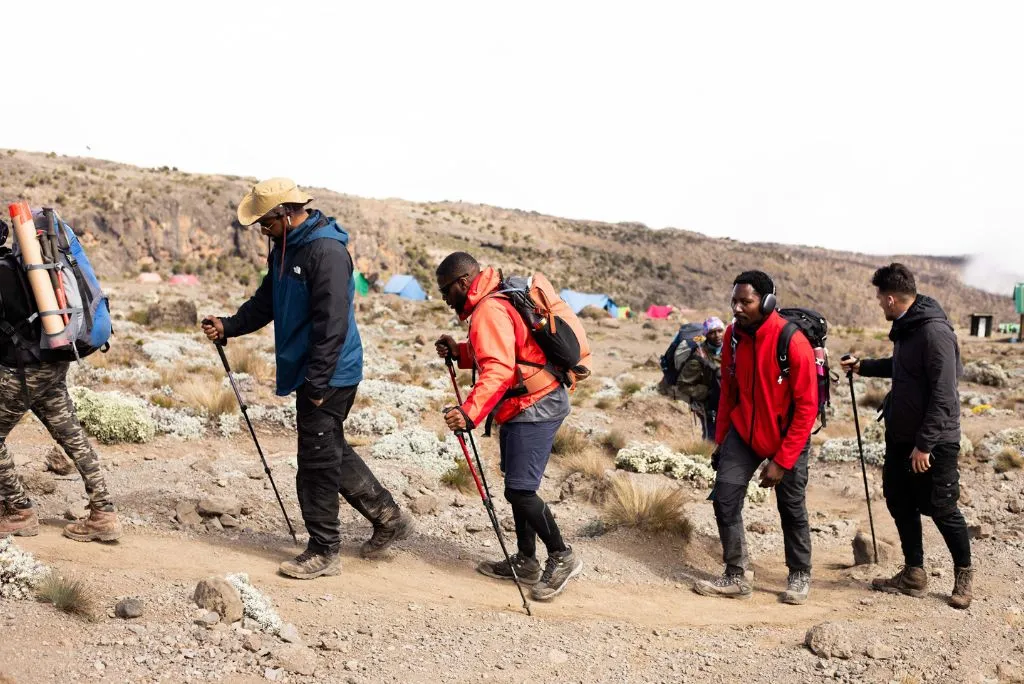
Acclimatization is the process of allowing your body to gradually adjust to higher elevations. The Best Acclimatization for Climbing Kilimanjaro involves a combination of the following:
- Spending extra days on the mountain: Longer routes like Lemosho or Machame allow for more gradual ascent and better acclimatization. This is a key reason these routes have higher summit success rates.
- Adequate rest: Taking breaks on the climb allows your body to adjust to the altitude without overexerting yourself. Slow and steady progress is essential for safe acclimatization.
- Monitoring symptoms: Our experienced guides continuously monitor each climber’s health and well-being. If symptoms of altitude sickness arise, we take immediate action to prevent the condition from worsening.
Your Safety Is Our Top Priority
At Kilimanjaro Heroes Adventures, the safety and health of our climbers are our top priority. Our approach to Climbing Mount Kilimanjaro integrates expert guidance, proper planning, and preventive measures to help you avoid altitude sickness and achieve your goal of reaching the summit.
- Experienced Guides: Our certified guides are experienced in managing altitude sickness and are equipped to handle any medical emergencies.
- Strategic Routes: We choose routes that prioritize acclimatization, such as Lemosho and Machame, to give climbers the best chance of success.
- Supportive Team: Our porters and crew are trained to provide support, ensuring that you are well taken care of throughout the trek.
- Education and Preparation: We educate our climbers about the symptoms of altitude sickness and teach them how to recognize the early signs.
Best Acclimatization for Climbing Kilimanjaro
We recommend spending a minimum of 8 days climbing Kilimanjaro, with at least 5 nights sleeping below 4,000 meters. This duration allows your body to adjust to reduced oxygen before entering the more dangerous “death zone” above 5,500 meters.
Kilimanjaro Heroes Adventures offers itineraries that prioritize acclimatization, including rest days and gradual elevation gains to maximize your safety and summit success.
Final Thoughts
Climbing Mount Kilimanjaro is a remarkable challenge, and understanding Altitude Sickness Symptoms and prevention strategies can make all the difference. With proper preparation, acclimatization, and a reliable support team like the one provided by Kilimanjaro Heroes Adventures, you can minimize the risks and focus on enjoying the adventure of a lifetime.
Ready to Climb Kilimanjaro? Contact us today to start planning your unforgettable trek with expert guides and the best acclimatization strategies in place. Your summit awaits!
[related_blogs]
Comment (0)