
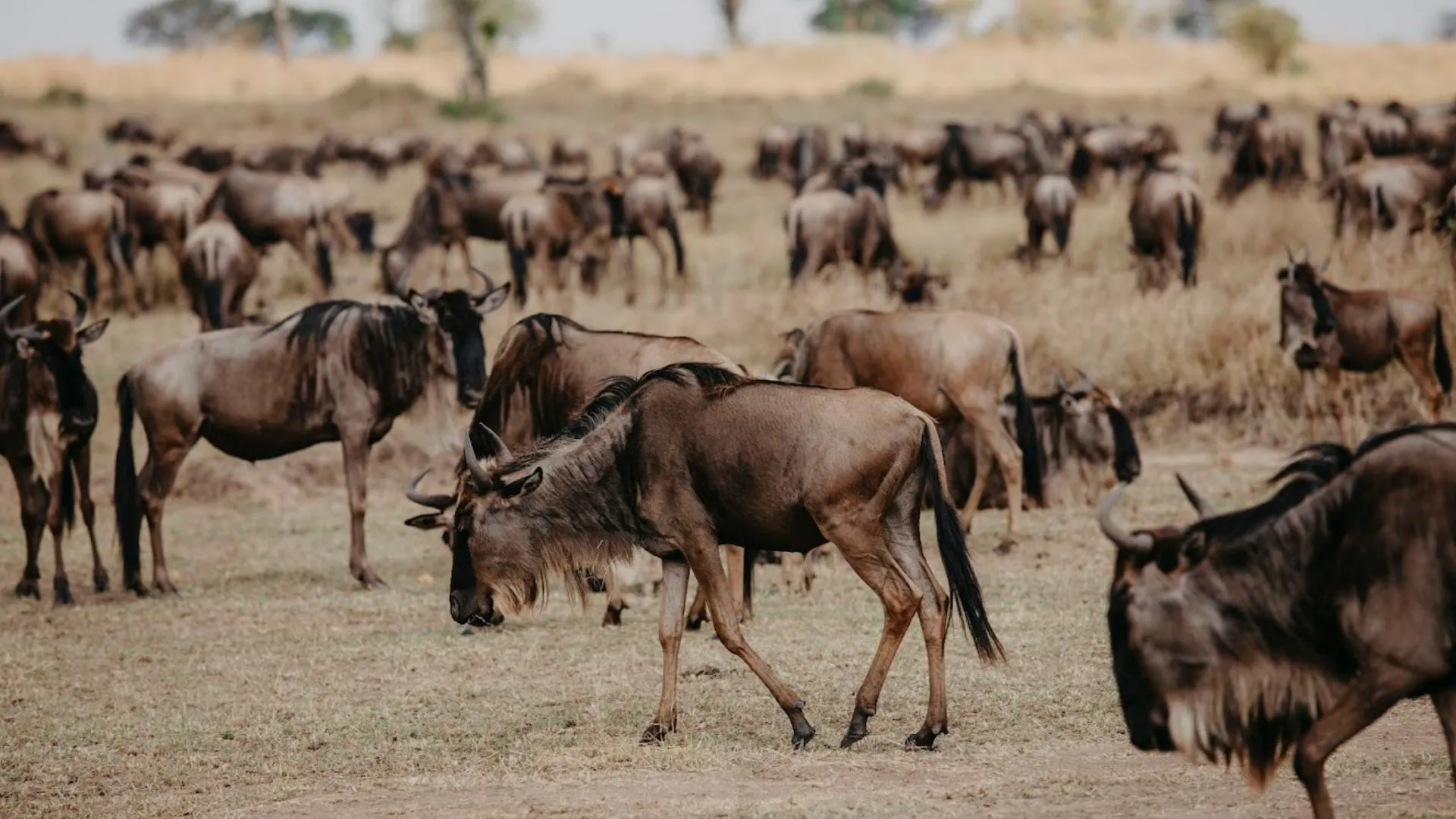
The Great Wildebeest Migration is one of nature’s most awe-inspiring spectacles. Each year, over two million wildebeest, zebras, and gazelles embark on a perilous journey across the African plains, driven by instinct and the relentless cycle of life and death. The migration is a dramatic and breathtaking event that draws wildlife enthusiasts and photographers from around the world to witness this extraordinary phenomenon. For those planning a Serengeti Wildebeest Migration Safari, understanding the intricacies of this journey is essential to fully appreciating the scale and beauty of the Great Migration Serengeti.
In this blog, we’ll explore everything you need to know about the Serengeti Migration, when to go, the best places to see the wildebeest migration, and why it’s considered one of the greatest wildlife spectacles on Earth.
What Is the Great Wildebeest Migration?
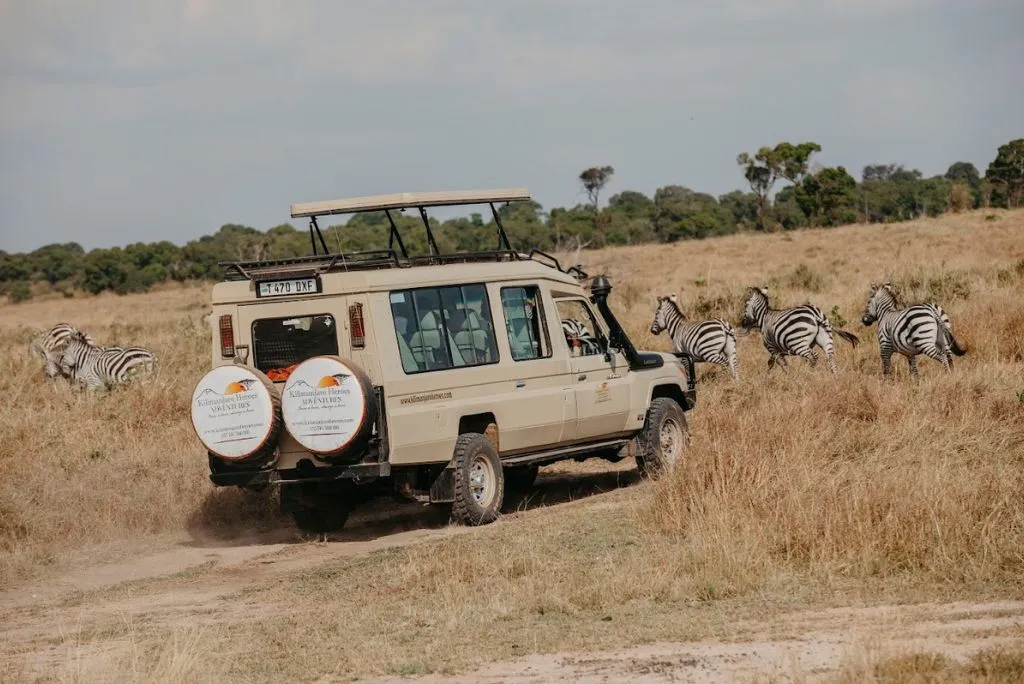
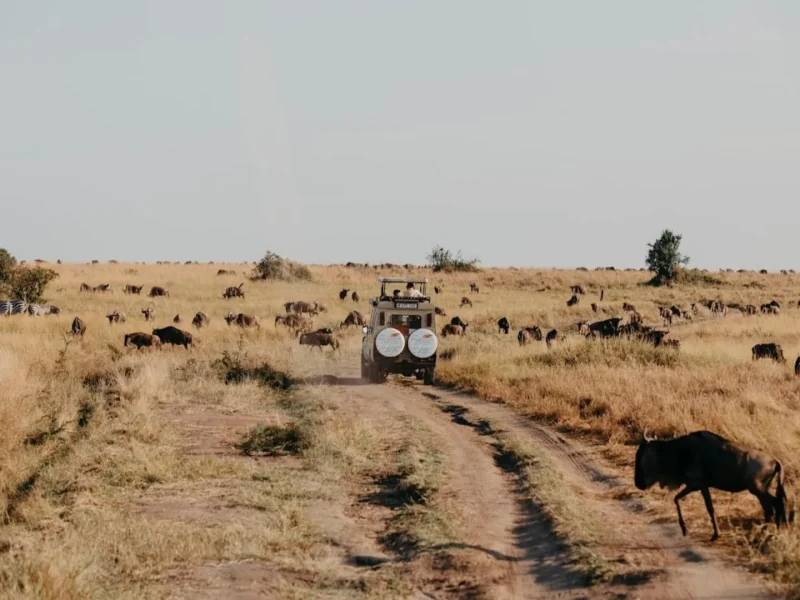
The Annual Wildebeest Migration Serengeti refers to the continuous movement of millions of wildebeest, along with zebras, gazelles, and other herbivores, across the vast plains of the Serengeti National Park and into neighbouring areas like the Maasai Mara in Kenya. This migration, which occurs every year, is driven by the search for fresh grazing grounds and water sources, making it essential for the survival of the animals involved.
The Serengeti Wildebeest Migration is not only a natural event but also a dramatic display of predator-prey dynamics. As the wildebeest move, they encounter various predators such as lions, cheetahs, and crocodiles, who take advantage of the vulnerable animals during the crossing of rivers. The migration is hence a life-and-death struggle, with many animals perishing along the way. It’s a witness to nature’s raw power and the survival instincts that guide these creatures through one of the most grueling journeys on the planet.
When Does the Great Wildebeest Migration Happen?
The Serengeti Migration is an annual event, but the rainfall patterns influence its timing in East Africa. The wildebeest, along with other migrating species, follow the rain to find the best grazing areas. Typically, the migration begins in the southern Serengeti in January, where the wildebeest give birth to thousands of calves, and it moves northward towards the Maasai Mara by around July.
The Annual Migration Serengeti can be broken down into four key stages:
- January to March: The wildebeest gather in the southern Serengeti to calve. This period is essential for newborns, as the grassy plains provide ample nutrition.
- April to May: The animals begin to move toward the central Serengeti as the southern plains start to dry up. This is when the herds are most vulnerable to predators.
- June to July: The herds begin to head northward, crossing the Grumeti River and preparing to enter the Maasai Mara. The crossing is dramatic, often involving predators lying in wait.
- August to October: This is the peak of the migration when the herds move through the Maasai Mara in Kenya before returning south as the cycle repeats.
The Best Place to See the Wildebeest Migration is, without a doubt, the Serengeti National Park, where much of the migration takes place. But the Maasai Mara also offers incredible opportunities to see the wildebeest in their final stages of the journey.
Why is the Migration So Spectacular?
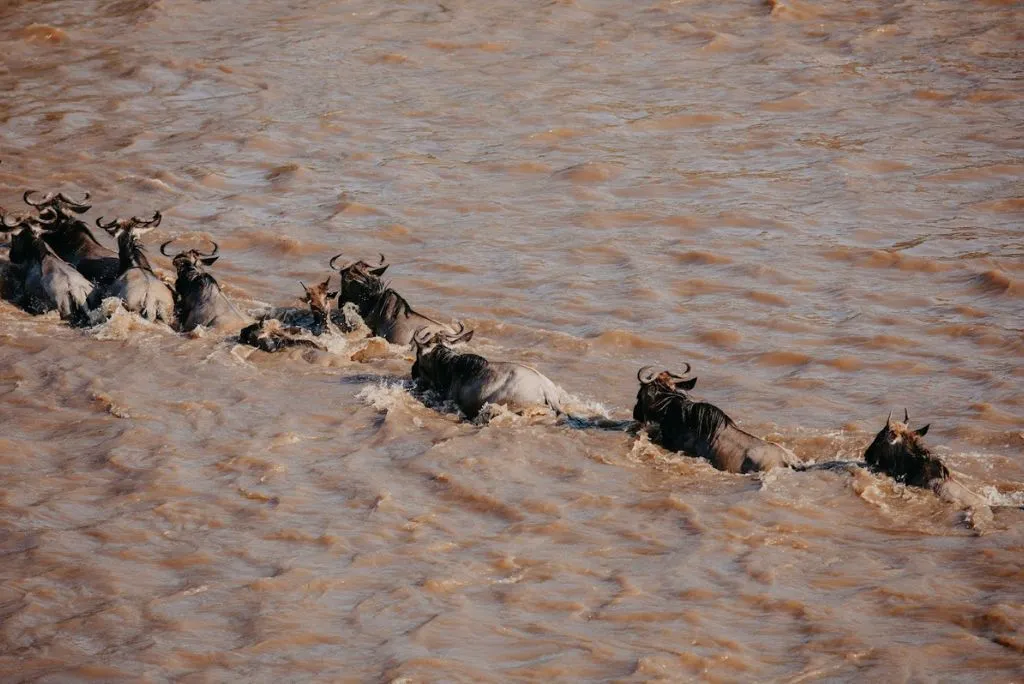
The spectacle is breathtaking not only due to sheer numbers but also the drama:
- River Crossings: The crossing of the Grumeti and Mara rivers is one of the most iconic images. Wildebeest and zebra must brave crocs, strong currents, and steep banks, creating a chaotic, heart-stopping sequence. The risk is great; many perish, but this challenge underscores the survival instinct woven into the migration’s fabric.
- Calving Season: Between January and March, the Southern Serengeti becomes a nursery ground where around half a million calves are born. This abundance of young prey attracts predators and creates thrilling predator-prey encounters emblematic of Africa’s untamed wilderness.
- Predator Encounters: Lions, leopards, cheetahs, hyenas, and wild dogs lie in wait along the herds’ path. The Great Migration is a continuous life-and-death struggle with nature’s fiercest hunters.
- Endless Herds: Vast columns of animals stretching out as far as the eye can see symbolize the raw power of nature’s cycles.
Best Place to See the Wildebeest Migration
The Serengeti remains the premier destination for witnessing the migration. The park’s vastness means travellers can find peaceful spots away from crowds for authentic wildlife encounters. Here are key phases and places in the Serengeti to catch the spectacle:
- Southern Serengeti and Ngorongoro Region (Jan-Mar): Prime calving season. Watch newborn wildebeests and intense predator activity.
- Western Serengeti Near Grumeti River (May-July): Wildebeest prepare for one of the most dramatic river crossings. This offers prime vantage points for photography.
- Northern Serengeti and Mara River (July-October): The famous Mara River crossing takes place here, where the perils of crocodiles and steep riverbanks combine in nature’s high-stakes drama.
- Northern Serengeti and Lobo Area (Oct-Nov): The herds roam relatively fewer tourist areas, ideal for tranquil viewing.
- Eastern and Central Serengeti (Nov-Dec): The herds begin their southern journey again, replenishing the nutrient-rich grazing lands in preparation for the next cycle.
What to Expect on a Serengeti Migration Safari?
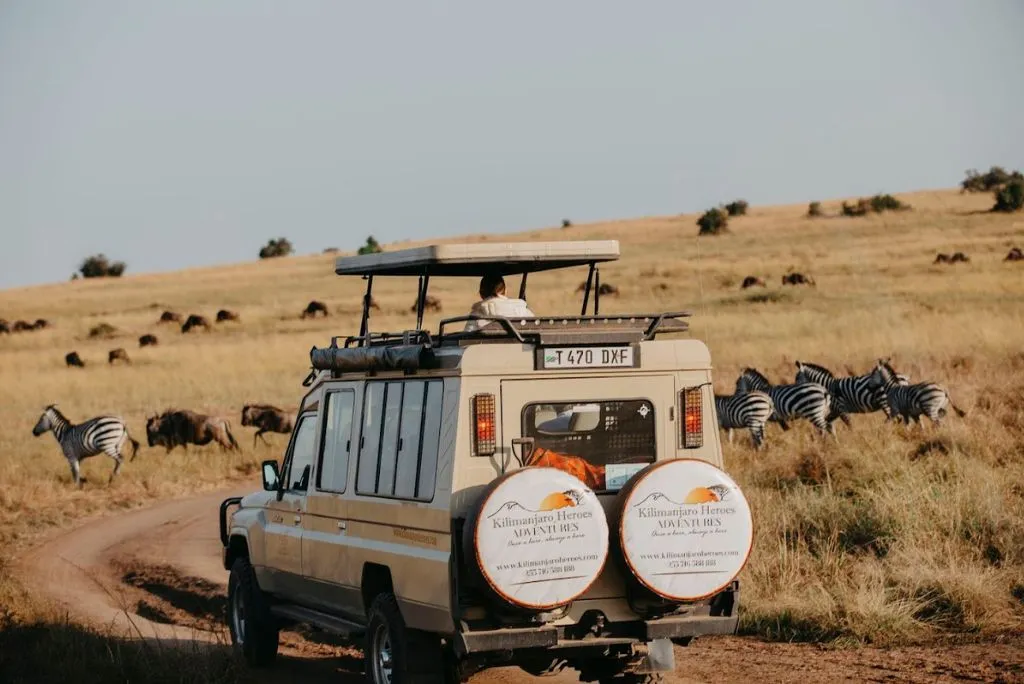
A Serengeti Wildebeest Migration Safari with Kilimanjaro Heroes Adventures offers:
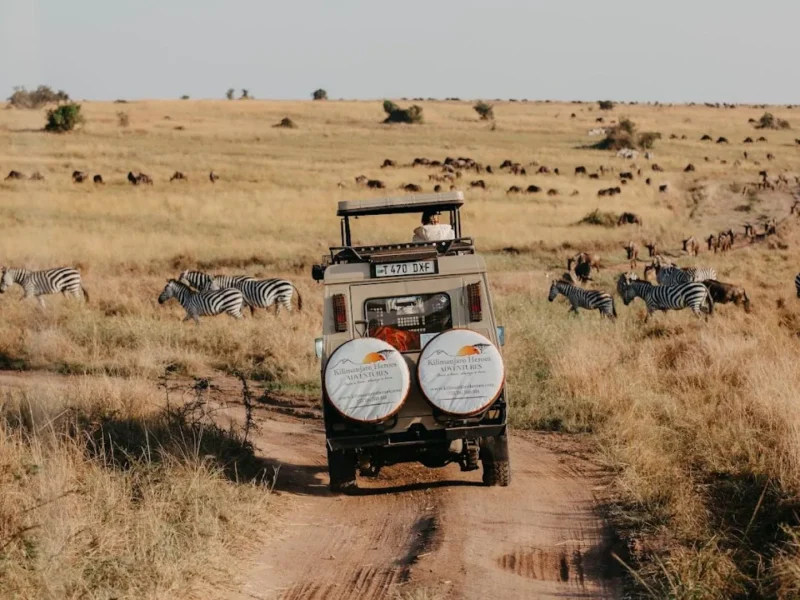
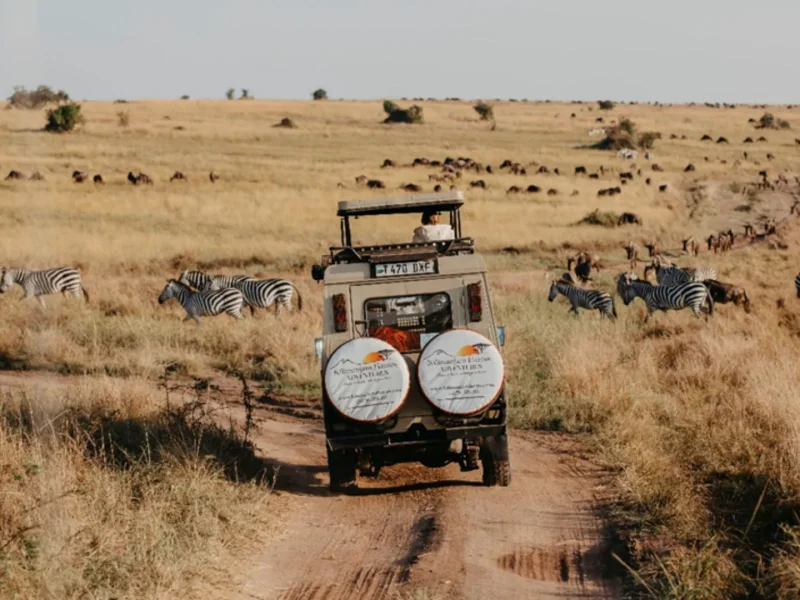
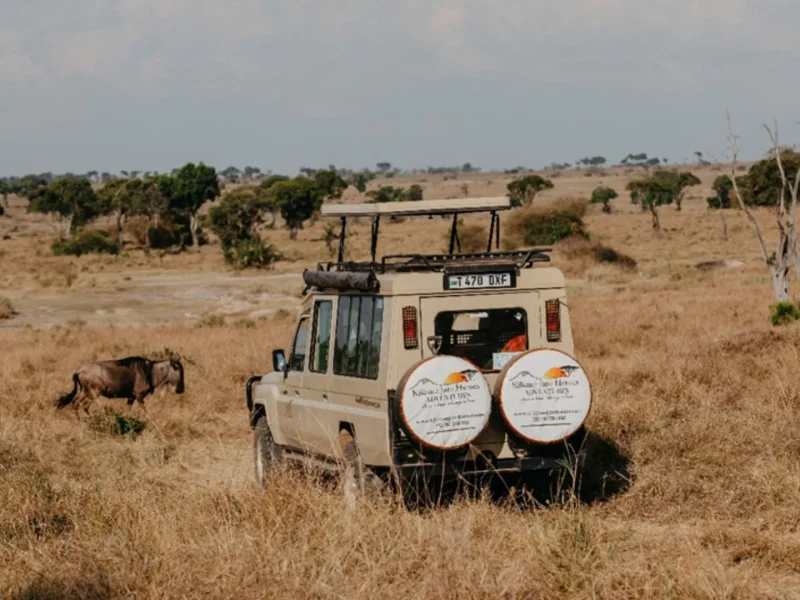
- Game drives in expertly maintained 4×4 vehicles with experienced safari guides.
- Opportunities to photograph the action-packed river crossings and vast migrating herds.
- Rich insights into the ecological and evolutionary importance of the migration.
- Luxurious and comfortable safari camps or lodges providing premium service amidst wild surroundings.
- Optional hot air balloon safaris for a unique aerial perspective of the great herds.
Witness the Annual Migration in Serengeti?
The Annual Wildebeest Migration Serengeti is an unparalleled natural phenomenon that attracts anyone who experiences it. From the dramatic river crossings to the vast herds sweeping across the plains, the migration is a life-defining adventure. If you’re planning to visit Tanzania, a Serengeti Great Migration Safari should be at the top of your list. With its dynamic wildlife, breathtaking landscapes, and thrilling moments, the Serengeti Wildebeest Migration offers an unforgettable journey into one of nature’s most beautiful and powerful events.
Ready to witness the magic of the Great Wildebeest Migration? Contact Kilimanjaro Heroes Adventures today to start planning your Serengeti Migration Safari and experience nature’s greatest show firsthand.

Comment (0)