
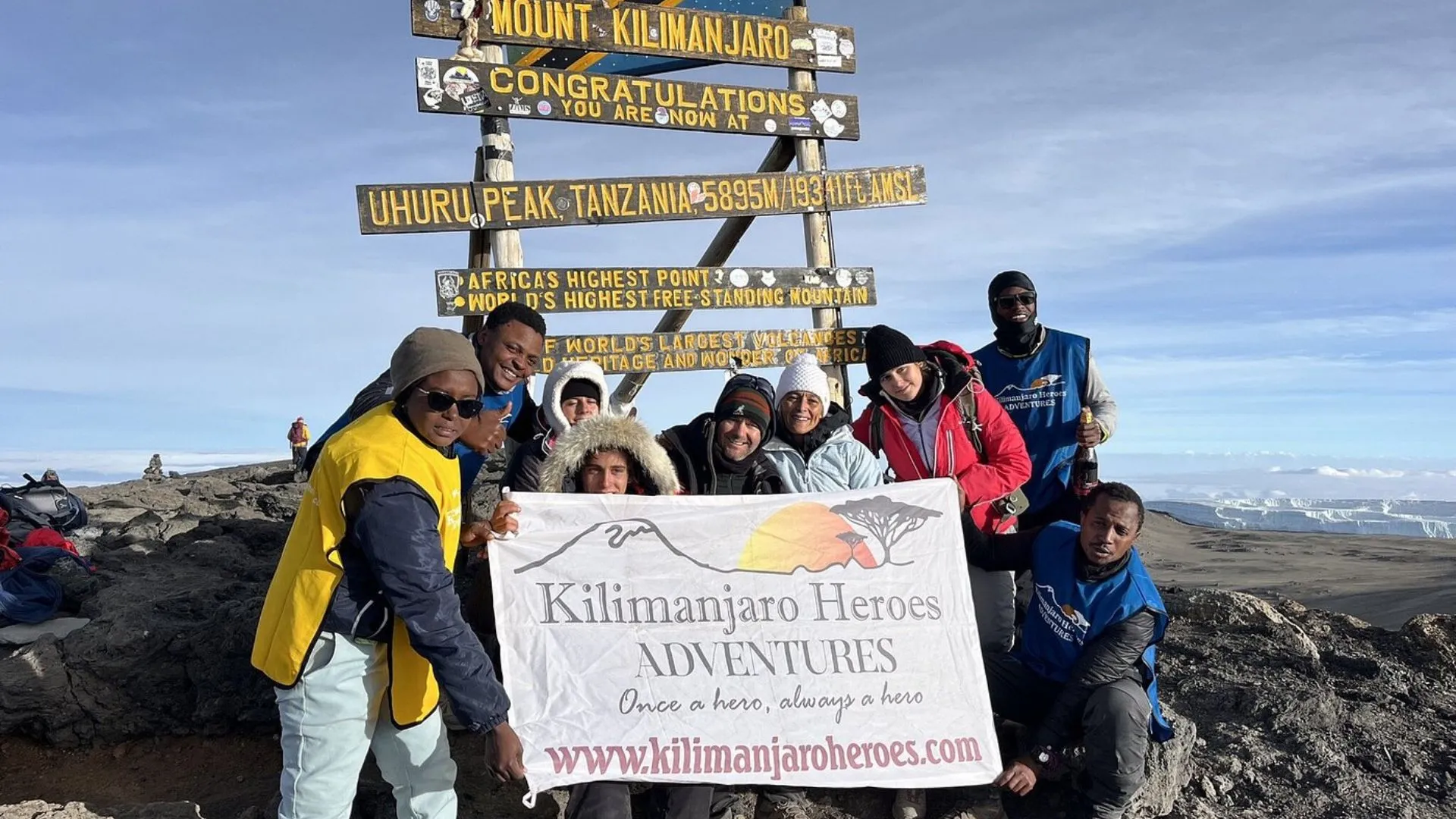
Climbing Mount Kilimanjaro is a dream adventure for many travellers. With its snow-capped peak towering at 5,895 meters, Africa’s highest mountain offers breathtaking views, diverse ecosystems, and an experience that is both challenging and deeply rewarding. However, successful Mount Kilimanjaro climbing requires more than just enthusiasm—it demands proper preparation, fitness, and careful planning. For first-time climbers, understanding Kilimanjaro Training and the right strategies can make the difference between an unforgettable summit and a tough struggle.
Kilimanjaro Heroes Adventures, specialize in guiding climbers safely and confidently to the summit. Whether you are planning your first ascent or returning for another adventure, following a structured fitness plan and choosing the right route is essential.
Why Fitness Matters for Mount Kilimanjaro Climbing?
Climbing Kilimanjaro is not technically difficult—it is primarily a trekking challenge—but the high altitude, long days of hiking, and varying terrain demand stamina, strength, and endurance. Many climbers underestimate the impact of altitude on the body, which is why Kilimanjaro Training should focus not only on cardio fitness but also on strength, flexibility, and mental preparation.
Regular training helps your body adapt to the physical demands of hiking uphill for multiple days, carrying a daypack, and coping with thinner air. Fitness preparation also improves your summit success rate and ensures a safer, more enjoyable experience.
Kilimanjaro Training Tips for First-Time Climbers
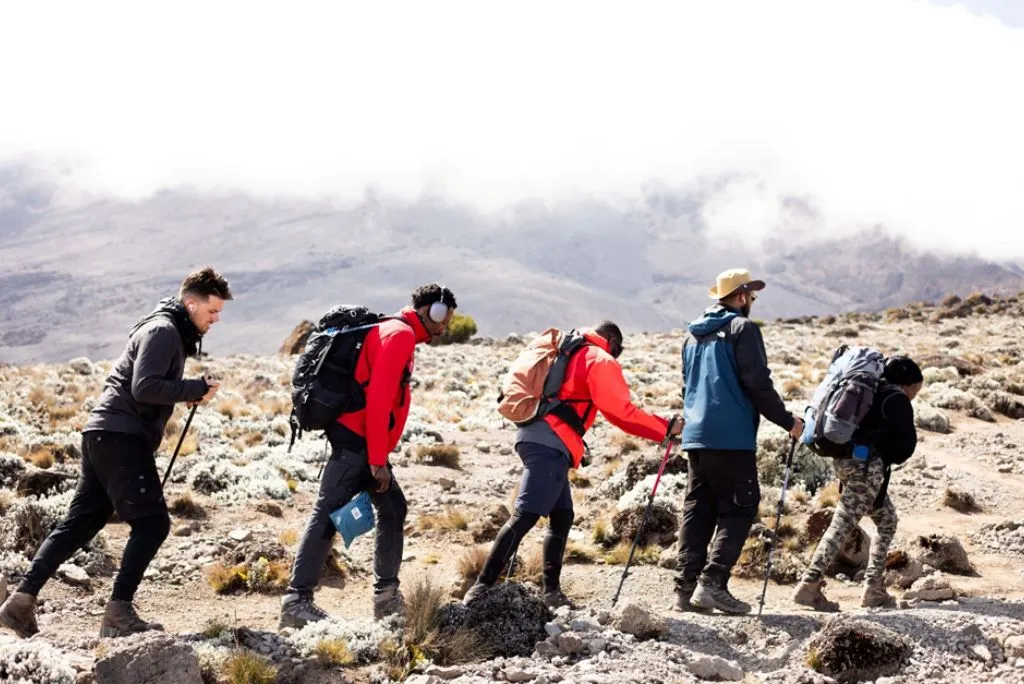
Here are key training recommendations for beginners aiming to climb Kilimanjaro:
- Cardiovascular Training
Hiking long distances at altitude requires excellent cardiovascular endurance. Activities like running, cycling, swimming, and stair climbing prepare your lungs and heart for long days on the trail. Aim for at least 3–5 cardio sessions per week, gradually increasing duration and intensity.
- Strength Training
Building leg and core strength is crucial for Kilimanjaro Hiking Routes. Squats, lunges, step-ups, and planks strengthen muscles used during trekking, helping you navigate steep inclines and uneven terrain with ease.
- Endurance Hikes
Practicing with weighted backpacks simulates real conditions. Weekend hikes with gradually increasing distances and elevation help your body adjust to prolonged exertion.
- Flexibility and Balance
Yoga and stretching exercises improve balance and prevent injuries on rocky, slippery, or uneven terrain. Flexible muscles recover faster and reduce soreness during long treks.
- Altitude Acclimatization Preparation
If possible, train at higher altitudes or use stair climbing with a weighted pack to mimic the reduced oxygen levels on Kilimanjaro. This helps your body adjust more easily during the climb.
Choosing the Best Route to Climb Kilimanjaro
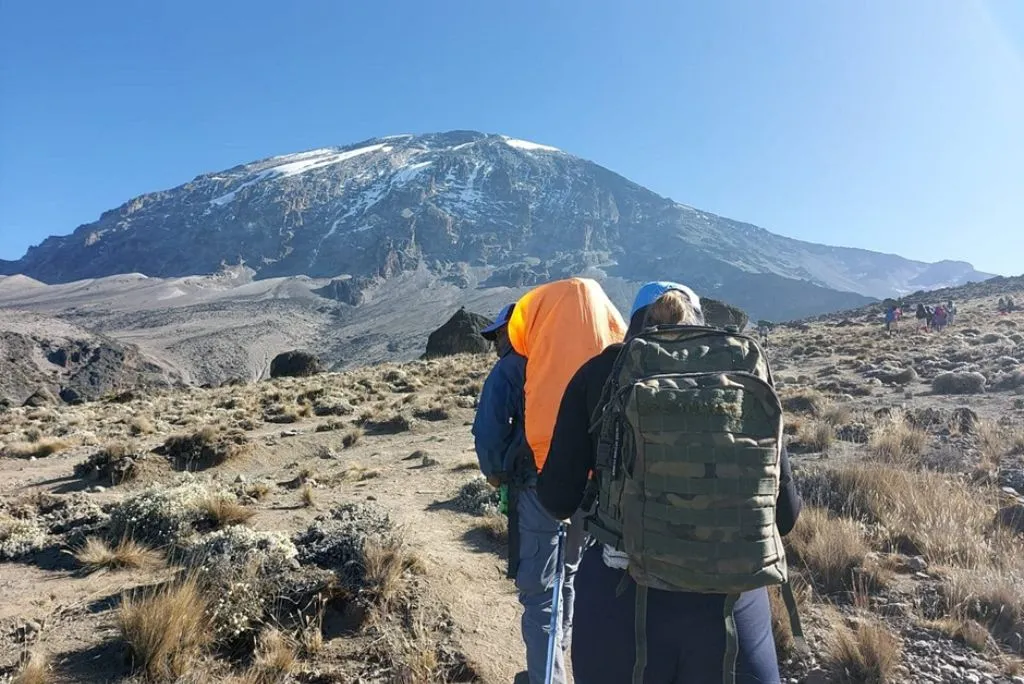
Selecting the Best Route to Climb Kilimanjaro is a critical decision that affects your experience and success rate. Kilimanjaro offers multiple trekking options, each with unique landscapes, difficulty levels, and acclimatization benefits. We guide first-time climbers in selecting a route that suits their fitness, schedule, and adventure goals.
Some popular Kilimanjaro Climbing Routes include:
- Marangu Route: Known as the “Coca-Cola Route,” it offers hut accommodations and a relatively gradual ascent. Ideal for climbers seeking comfort but with slightly lower summit success rates due to faster ascent.
- Machame Route: Also called the “Whiskey Route,” it is scenic and challenging, providing excellent acclimatization with higher summit success rates.
- Lemosho Route: Famous for its remote wilderness, breathtaking scenery, and longer trekking days that maximize acclimatization.
- Rongai Route: Approaching from the north, this quieter route is less crowded and provides gradual elevation gain.
- Shira Route & Northern Circuit Route: Longer, scenic treks offering excellent acclimatization and high summit success rates.
Choosing the right route aligns with your fitness level and desired experience, making Kilimanjaro Training and preparation even more effective.
Understanding Kilimanjaro Hiking Routes
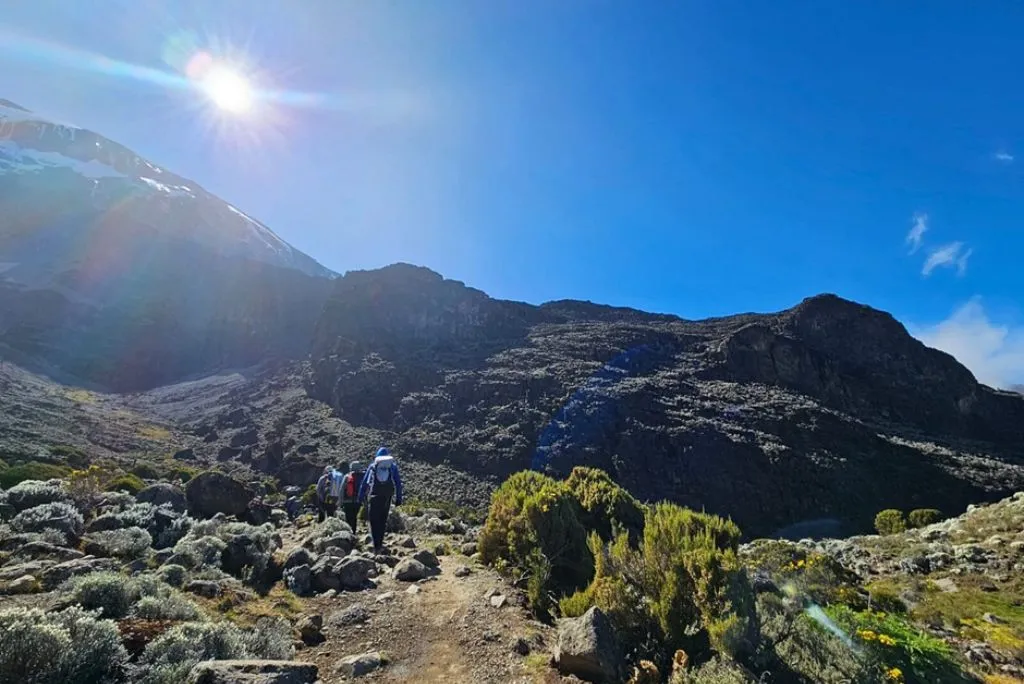
Kilimanjaro’s hiking routes vary in terrain, scenery, and difficulty. Most routes traverse multiple ecological zones, from rainforest to alpine desert and glacial summit. Knowing what to expect along Kilimanjaro Hiking Routes helps climbers prepare mentally and physically:
- Rainforest Zone (1,800–2,800 m): Lush, green forests with abundant wildlife; warm and humid conditions.
- Heath and Moorland Zone (2,800–4,000 m): Cooler temperatures, open landscapes, and unique vegetation.
- Alpine Desert Zone (4,000–5,000 m): Sparse vegetation, dramatic rocky terrain, and cold nights.
- Summit Zone (5,000–5,895 m): Freezing temperatures, high winds, and reduced oxygen; requires determination and proper pacing.
Training for endurance, strength, and mental resilience prepares climbers to handle these challenges and enjoy each stage of the journey.
How To Prepare for Your Kilimanjaro Climb?
In addition to physical training, climbers should focus on:
- Nutrition: Eat a balanced diet rich in proteins, carbohydrates, and healthy fats to fuel training and recovery.
- Hydration: Staying hydrated during training and trekking reduces fatigue and altitude-related issues.
- Gear Familiarity: Use your hiking boots, trekking poles, and backpacks during training hikes to ensure comfort.
- Mental Preparation: Build mental resilience with visualization, meditation, or smaller hiking challenges to stay motivated during long trekking days.
Proper preparation ensures that first-time climbers are confident, safe, and ready to take on the summit.
Final Thoughts
Climbing Mount Kilimanjaro is one of the most rewarding adventures a traveller can experience. For first-time climbers, success depends on a combination of physical preparation, careful planning, and choosing the right route. Climbing Mount Kilimanjaro is a life-changing achievement, especially for first-time trekkers. With consistent Kilimanjaro Training, the right mindset, and a carefully chosen route, the summit is well within reach.
Whether you choose the scenic Lemosho Route, the classic Machame Route, or another of the renowned Kilimanjaro Hiking Routes, preparation is the key to success. Let Kilimanjaro Heroes Adventures be your trusted partner on this incredible journey—where fitness meets determination, and dreams meet the roof of Africa.
[related_blogs]
Comment (0)