
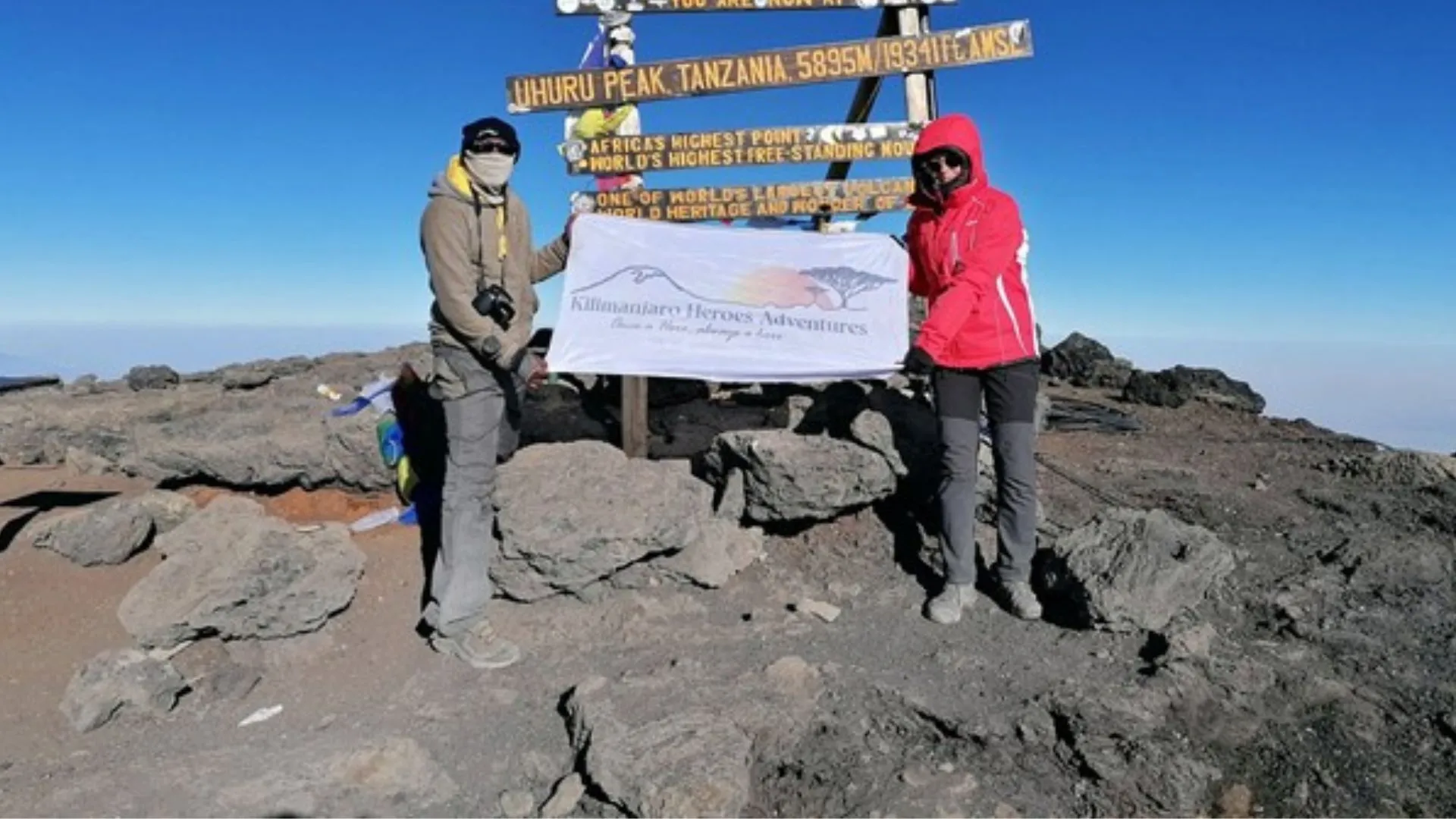
Planning a successful trek to Africa’s highest peak starts with one crucial question: When is the Best Time to climb Kilimanjaro? Rising to 5,895 meters (19,341 feet), Mount Kilimanjaro offers a non-technical yet physically demanding climb that is deeply influenced by seasonal weather patterns. Understanding Kilimanjaro Seasons is essential for choosing the right conditions, routes, and overall experience.
Kilimanjaro Heroes Adventures, we believe the perfect Mount Kilimanjaro Climbing experience comes from matching the right season with the right route, pace, and expectations. In this blog breaks down Kilimanjaro’s seasons in detail, helping you plan a safe, enjoyable, and unforgettable journey to the Roof of Africa.
Understanding The Kilimanjaro Seasons
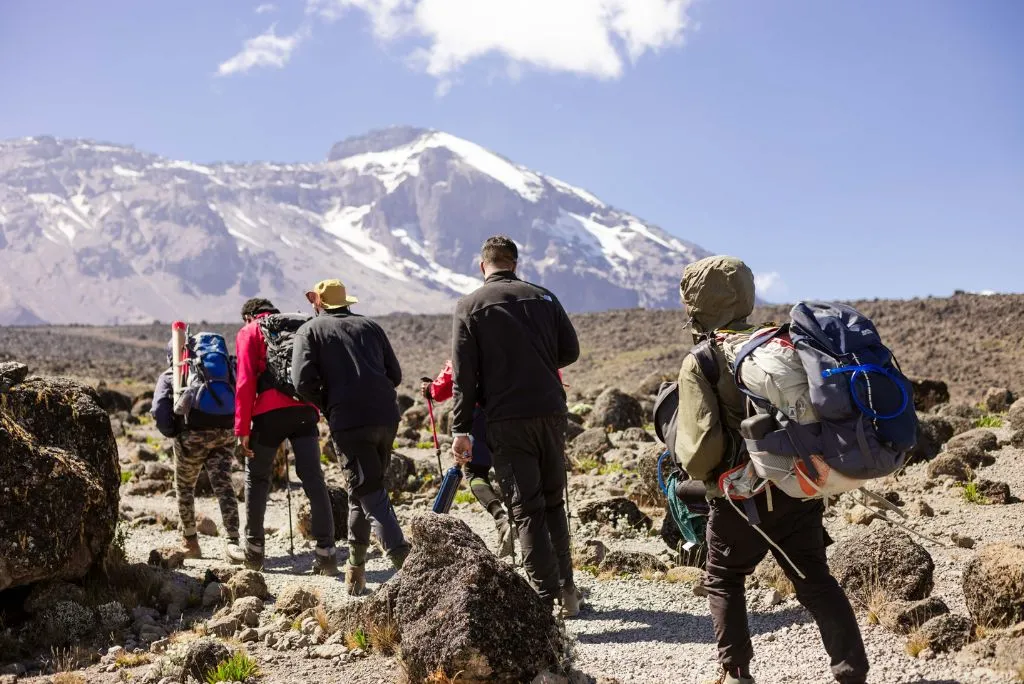
Mount Kilimanjaro experiences two primary dry seasons and two rainy seasons, influenced by its location near the equator. Knowledge of these seasons is crucial for climbers, as they affect trail conditions, temperatures, and visibility.
Dry Season (January–March):
January to March offers warm, clear conditions, ideal for climbing Kilimanjaro. Trails are drier, skies are clear, and summit views are spectacular. This season attracts climbers seeking high summit success and enjoyable trekking through the mountain’s diverse ecological zones.
Long Rains (April–May):
The long rains, from April to May, bring heavy showers and muddy trails on Kilimanjaro. While challenging, this season provides fewer crowds and lush green landscapes. Trekkers must prepare for slippery conditions, cooler temperatures, and potential trail delays during their climb.
Dry Season (June–October):
June to October is another ideal period to climb Kilimanjaro, offering cooler, stable conditions and minimal rainfall. Clear skies and crisp mountain air enhance visibility, making it perfect for photography, summit attempts, and experiencing the full beauty of Kilimanjaro’s trekking routes.
Short Rains (November–December):
November and December bring short rains with sporadic showers and intermittent sunny periods. Trails can be wet but manageable, and crowds are smaller. Trekkers during this season experience a quieter, more intimate adventure, surrounded by lush landscapes and vibrant vegetation.
Understanding the seasonal variations allows trekkers to plan a safe, comfortable, and rewarding Mount Kilimanjaro climbing adventure.
How Kilimanjaro Seasons Affect Trekking Routes?
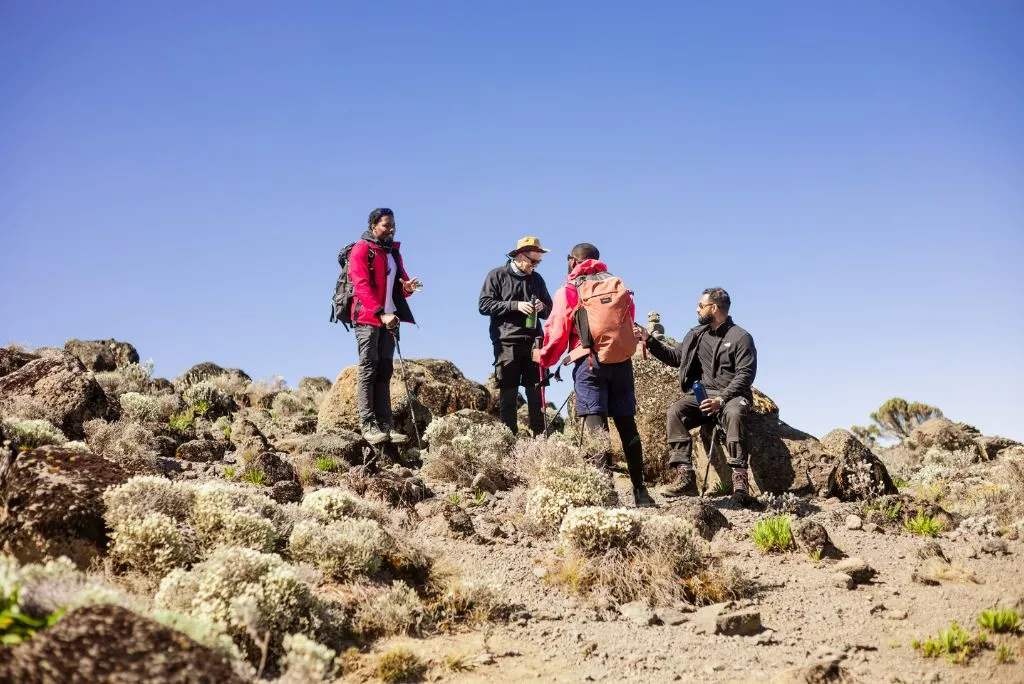
The mountain offers multiple Kilimanjaro Routes, each with unique scenery, difficulty levels, and acclimatization benefits. Seasonal variations can influence which routes are most suitable for your climb.
- Machame Route: Known for its scenic vistas and gradual ascent, it’s ideal during dry seasons for maximum visibility and easier navigation.
- Marangu Route: Also called the “Coca-Cola Route,” its hut accommodations make it popular in all seasons, but it can be slippery during the rains.
- Lemosho Route: Offers remote wilderness and extended trekking days, excellent for acclimatization; best experienced in dry months for trail safety.
- Rongai Route: Approaching from the north, it’s less crowded and provides gradual elevation gain, making it suitable for shoulder seasons.
Choosing the right Kilimanjaro Trekking Routes according to the season enhances your climbing experience and helps reduce altitude sickness risks.
Kilimanjaro Route-Specific Season Tips
Different Kilimanjaro routes shine in specific Mount Kilimanjaro Climbing Seasons. Kilimanjaro Heroes Adventures tailors Kilimanjaro climbing tour options accordingly.
| Route | Best Season | Why It Works | Success Rate |
| Marangu | June-Oct, Jan-Feb | Huts shield from light rain; quick 5-6 days | 65-70% |
| Machame | July-Sep, Dec-Feb | “Whiskey Route” moorlands bloom; 6-7 days acclimatization | 85% |
| Lemosho | Jan-Mar, Sep-Oct | Wildlife views pop in dry air; scenic 7-8 days | 95% |
| Rongai | June-Oct | Dry northern approach avoids rainforest slop; safari-friendly | 85% |
| Northern Circuit | Sep-Oct, Jan-Feb | Remote plateaus dry out fully; ultimate 8-9 days | 98% |
Weather Conditions Across Kilimanjaro Seasons
The mountain spans several ecological zones, each with distinct weather patterns. Understanding these can help you prepare adequately:
- Rainforest Zone (1,800–2,800 m): Warm and humid, with occasional showers. Trekking poles and quick-dry clothing are recommended.
- Heath and Moorland Zone (2,800–4,000 m): Cooler temperatures and clear skies during dry months; visibility may be limited in rains.
- Alpine Desert Zone (4,000–5,000 m): Dry and windy, temperatures drop significantly at night.
- Summit Zone (5,000–5,895 m): Freezing conditions year-round; dry seasons provide the clearest skies for sunrise at Uhuru Peak.
By choosing the Best Time to Climb Kilimanjaro, climbers can maximize favourable weather, improve safety, and enjoy spectacular views throughout the ascent.
When We Recommend To Climb Kilimanjaro
Kilimanjaro Heroes Adventures recommends Climbing Kilimanjaro, particularly from January to February. These months are the driest in Kilimanjaro, offering you the best views and many perfect-picture opportunities. We can help climbers choose optimal dates, routes, and gear for a high chance of summit success.
Furthermore, December to mid-March and mid-June to the end of October are the best times to climb the mountain. Once you’ve decided which month to climb the mighty Mount Kilimanjaro, we recommend contacting our team of professionals. Our mountaineers have been summiting Kilimanjaro for decades and can help you professionally plan the most exciting summit of your life. We’ll see you on the mountain!

Comment (0)