All About

Tsavo East National Park

AN AFRICAN DREAMSCAPE OF ELEPHANTS, LIONS, AND GOLDEN SAVANNA

Expanses That Tell Stories Of Africa’s Wilderness

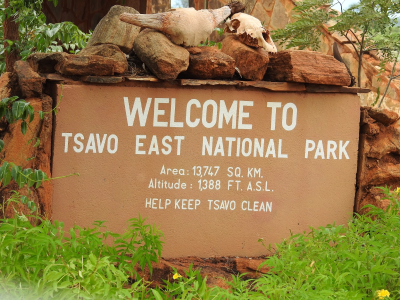
Spanning 13,747 square kilometers, Tsavo East National Park is Kenya’s largest and oldest national park, established in 1948. Known as the “Theatre of the Wild,” it showcases vast open savannahs dotted with acacia trees and rugged terrain. Iconic sights include the red-dusted elephants and the scenic Galana River, a lifeline for the park’s diverse wildlife.

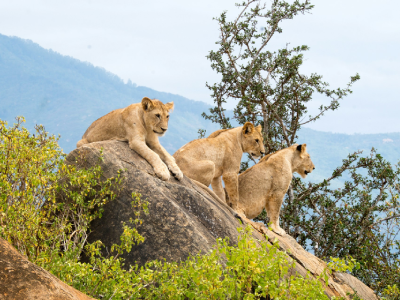
Home to the Big Five and over 500 bird species, Tsavo East boasts incredible biodiversity. The striking Yatta Plateau, the world’s longest lava flow, adds to the park’s allure, drawing both adventurers and nature lovers.

Untamed Beauty Of Tsavo East

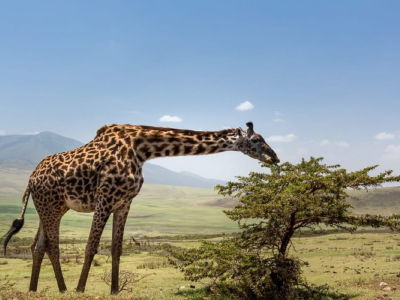
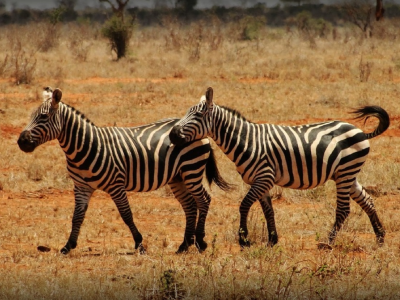
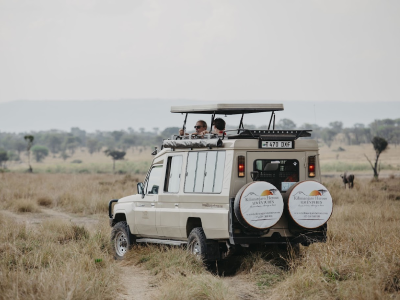
Covering immense savannah plains, Tsavo East offers extraordinary wildlife experiences. Its Galana and Tsavo rivers support crocodiles, hippos, and herds of animals like zebras and giraffes. Open landscapes create perfect settings for unforgettable game drives.

Despite its size, the park feels untouched, with few lodges and a quiet atmosphere. Visitors enjoy the sense of solitude under Kenya’s expansive skies, exploring a true wilderness brimming with untamed beauty.

Activities

Things To Do In Tsavo East

ENGAGE WITH NATURE’S FINEST THROUGH WILDLIFE ENCOUNTERS & SCENIC LANDMARKS

Tsavo East National Park is a premier destination displaying Kenya’s natural grandeur. Visitors can marvel at Mudanda Rock, a water catchment area attracting wildlife, and the Yatta Plateau, the world’s longest lava flow. The park’s diverse habitats, from lush riverine zones to sprawling savannahs, provide a stunning backdrop for wildlife observation.

Bird enthusiasts will delight in spotting over 500 bird species, including migratory and endemic varieties. From game drives to iconic geological features, Tsavo East is a destination that brings the beauty of Africa’s wilderness to life.

What Makes Tsavo East Unique?

Tsavo East captivates with its vast landscapes, geological wonders, and diverse ecosystems. Iconic features like Lugard Falls and the Galana River enhance its appeal, while its rich biodiversity, including red-dust elephants and big cats, creates a vibrant safari experience.

Traversing the expansive terrain reveals thriving habitats where animals gather at watering spots like Aruba Dam. The park’s pristine wilderness, coupled with its extraordinary wildlife, makes it an extraordinary destination for those seeking an authentic connection with Kenya’s wild heart.

Seasons

Best Time To Visit
Tsavo East National Park

EXPLORE THE IDEAL TIMES FOR WILDLIFE AND SCENIC EXPERIENCES

The best time to visit Tsavo East National Park is during the dry seasons, from July to September and January to February. Wildlife congregates near water sources, offering incredible viewing opportunities. Avoid the rainy seasons from March to May and October to December, when roads can become impassable and sightings are more challenging.

Peak Season

July to September & January to February

From July to September and January to February, the dry season brings wildlife closer to rivers and waterholes.

Clear skies and limited vegetation enhance visibility, making it perfect for safaris and photography.

High Season

June, October, & March

The transitional months of June, October, and March balance moderate tourist numbers and wildlife activity.

Occasional rain brings lush landscapes without significantly disrupting game viewing, offering a quieter experience than peak periods.

Low Season

March to May, October to December

The rainy months of March to May create verdant greenery ideal for birdwatching, including migratory species.

While dense vegetation makes spotting wildlife harder, it’s a unique time to witness newborn animals and predator activity.