All About

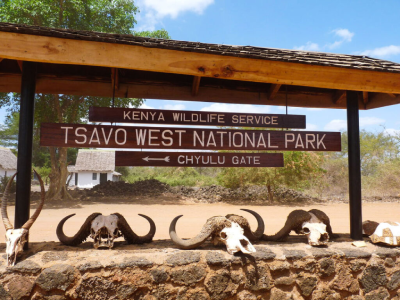
Tsavo West National Park

ALIVE WITH WILDLIFE, VOLCANIC TRAILS, AND TRANQUIL AQUATIC OASES

Witness Contrasts In Nature’s Vibrant Playground

Tsavo West National Park is a haven of dramatic landscapes, fascinating history, and diverse wildlife. Its volcanic terrain, dotted with lava flows, creates a unique backdrop for adventure seekers. The crystal-clear waters of Mzima Springs, flowing from underground lava, offer a rare chance to see hippos and crocodiles up close.

Renowned for its rugged beauty, the park also tells a rich story through its Shetani Lava Flows, ancient artifacts, and infamous man-eating lions of the 19th century. It’s a must-visit destination for nature and history enthusiasts.

A Tale Of Lava, Springs, And Wildlife

Spanning over 9,000 square kilometers, Tsavo West National Park is a testament to Kenya’s natural and historical richness. The park, part of the greater Tsavo ecosystem, was gazetted in 1948 to conserve wildlife in the semi-arid Taru Desert. Its nickname, “Land of Lava, Springs, and Magical Sunsets,” reflects its awe-inspiring features.

The park’s history also includes encounters with early human settlers, Swahili traders, and colonial railway builders. The infamous man-eating lions of the Uganda Railway bridge are a pivotal part of its legendary past, captivating visitors with tales of survival and bravery.

Activities

Things To Do In Tsavo West National Park

VISIT VOLCANIC WONDERS, WILDLIFE TREASURES, AND PANORAMIC LANDSCAPES

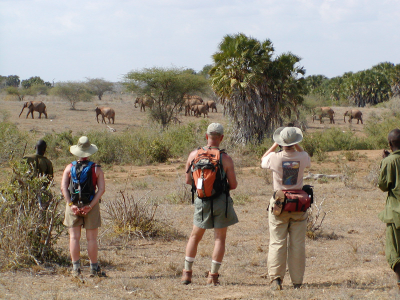
There are a lot of different things to do in Tsavo West National Park, so both explorers and nature lovers will enjoy it. Some of the best things to do are to explore the mesmerizing Mzima Springs, where hippos and crocodiles can be seen in the clear waters, and to be amazed by the Shetani Lava Flows, a volcanic wonder that is full of local tale.

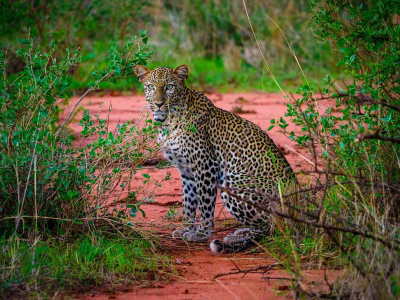
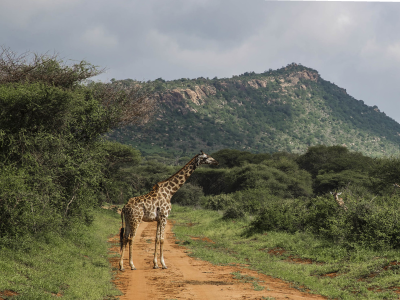
There are also great chances to see wildlife in the park, including the Big Five and other rare species. Tsavo West is a great place to go on safari because you can climb the Roaring Rocks for amazing views or explore the Chaimu Crater and find out its secrets.

In Tsavo West, What Else Can You Do?

You can do more than just go on a safari at Tsavo West. It’s a journey into Kenya’s diverse ecosystems. It has beautiful scenery like lava flows from volcanoes and calm water springs, making it a great place to relax and explore at the same time.

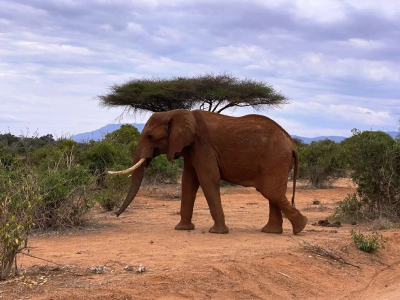
Animal lovers can enjoy tracking animals in the Ngulia Rhino Sanctuary or just watching elephant groups roam freely. From the Five Sister Hills to the LUMO Conservancy, every part of the park has a story waiting to be found. This makes every visit special.

Seasons

Best Time To Visit
Tsavo West National Park

PLAN YOUR VISIT DURING DRY MONTHS FOR CLEAR SKIES AND WILDLIFE SIGHTINGS

The best time to visit Tsavo West National Park is during the dry seasons from June to October and January to February. Wildlife gathers near waterholes, making it easy to spot animals. Avoid the long rains of March to May and short rains of November to December, as roads can become muddy and visibility is reduced.

Peak Season

June to October & January to February

The dry season offers exceptional game-viewing opportunities as animals congregate near water sources.

Clear skies and sparse vegetation ensure optimal visibility for safaris and photography. Tourist activity is high, creating a lively atmosphere.

High Season

November, December & May

The park transitions into lush greenery after the rains, with moderate tourist numbers. Accommodation rates are slightly reduced.

Occasional showers may occur, but wildlife remains active, and birdwatching is excellent during this period.

Low Season

March to May

Heavy rains transform the park into a green paradise, perfect for birdwatching enthusiasts. Roads can be challenging to navigate.

Fewer tourists mean tranquil experiences, but wildlife sightings may be limited due to dense vegetation.