
Packing list for Kilimanjaro is one of the most important steps on the way to a successful climb. You will find online number of recommendations, however, most of them are not essential.
Continue reading
Packing list for Kilimanjaro is one of the most important steps on the way to a successful climb. You will find online number of recommendations, however, most of them are not essential.
Continue reading
Packing list for Kilimanjaro is one of the most important steps on the way to a successful climb. You will find online number of recommendations, however, most of them are not essential.
Continue reading
Packing list for Kilimanjaro is one of the most important steps on the way to a successful climb. You will find online number of recommendations, however, most of them are not essential.
Continue reading
Packing list for Kilimanjaro is one of the most important steps on the way to a successful climb. You will find online number of recommendations, however, most of them are not essential.
Continue reading
As you embark on the journey to conquer Mount Kilimanjaro, it’s crucial to grasp the concept of altitude sickness and acclimatization. This article will break down these topics, providing insights into their effects and the measures to take for a safe and successful climb.
Mount Kilimanjaro, standing at a towering height of 5,895 meters (19,341 feet), presents unique challenges to climbers. Among these challenges, altitude sickness looms as one of the most perilous. An alarming number of individuals experience symptoms related to altitude sickness when ascending beyond 9,000 feet. At Climbing Kilimanjaro, ensuring your safety takes precedence.
Kilimanjaro is a favorite trek for many because it offers the opportunity to summit a high peak without requiring specialized climbing skills. This “walk-up” nature might mislead some into underestimating the potential dangers posed by altitude.
The summit of Kilimanjaro falls into the “extreme altitude” category, akin to Aconcagua and Denali. These peaks are surpassed only by “ultra” altitude peaks such as Everest and K2, where the acclimatization process becomes nearly impossible.
At Kilimanjaro’s summit, the oxygen available is approximately 49% less than at sea level. However, it’s not the oxygen percentage in the air that changes; rather, it’s the reduction in barometric pressure (air pressure) within the atmosphere.
In simpler terms, even though the oxygen percentage remains at 20.9%, its availability is diminished due to lower air pressure. This scarcity of oxygen molecules can lead to fluid accumulation around the brain (High Altitude Cerebral Edema) and the lungs (High Altitude Pulmonary Edema), which are severe conditions associated with reduced air pressure.
Altitude sickness comes in three primary forms: Acute Mountain Sickness (AMS), High Altitude Cerebral Edema (HACE), and High Altitude Pulmonary Edema (HAPE). AMS can manifest as mild, moderate, or severe, while HACE and HAPE entail more critical conditions.
Let’s delve deeper into these conditions.
AMS can affect anyone above 6,000 feet, as described by Dr. Peter Hackett. The initial sign is often a headache, which can also result from dehydration or overexertion. If other symptoms emerge, a diagnosis of AMS is likely.
HAPE arises from lung artery pressure elevation in low-oxygen environments, resulting in fluid accumulation around the lungs. Even climbers without severe AMS symptoms can develop HAPE.
Look out for:
HACE is a critical condition requiring immediate medical attention. Fluid buildup around the brain leads to confusion, lethargy, incoordination, and altered behavior.
Look out for:
Our guides use a pulse oximeter and consider your symptoms during daily health checks to evaluate your situation. The Lake Louise Scoring System aids diagnosis, assigning scores based on the severity of symptoms.
Acclimatization refers to the body’s adaptive processes in response to low-oxygen and low-atmospheric pressure environments. From day one, your body initiates changes to cope with altitude.
Changes you’ll experience:
As you ascend gradually, your body adopts mechanisms to adjust:
These adaptations occur gradually, and optimal acclimatization is achieved through routes with robust acclimatization protocols. Longer ascents allow your body ample time to adapt.
Prioritize your health, even beyond altitude sickness, by staying warm and practicing good hygiene.
Altitude training is growing in popularity among aspiring mountaineers and athletes. Various methods exist, such as simulated altitude chambers and intermittent hypoxic air exposure. While altitude training can improve acclimatization, pre-acclimatization through climbing other peaks or Mt. Meru can be equally effective.
Read more about training for Kilimanjaro.
Individuals with well-managed pre-existing medical conditions can successfully climb Kilimanjaro, but medical clearance is essential. Precautions are necessary, especially for heart, lung, or neurological conditions. Consult your doctor about medication adjustments and travel insurance coverage.
Altitude can disrupt sleep due to periodic breathing, a battle between the body’s oxygen sensors and carbon dioxide sensors. Adequate layers prevent hypothermia, while sunscreen and sunglasses shield against UV rays. Stomach issues are possible, making hygiene crucial.
Your safety is paramount. Our guides closely monitor your well-being, but your cooperation is essential. Inform your guide of any discomfort, and observe fellow climbers for unusual behavior. Regular health checks and the availability of oxygen and stretchers ensure your safety during the climb.
As you embark on this monumental journey, understanding altitude sickness and acclimatization equips you with the knowledge to safeguard your health and achieve a successful summit on Mount Kilimanjaro.

When it comes to climbing Mount Kilimanjaro, a common question arises: Is supplemental oxygen necessary for the climb? Let’s understand the role of oxygen and the challenges posed by altitude during this remarkable journey.
Altitude is a significant factor to consider when climbing Kilimanjaro. However, climbers do not require extra oxygen to reach the summit successfully. Instead, the “pole pole” method is employed – a gradual ascent to higher altitudes and sleeping at lower levels to acclimatize effectively.
Spending more time on the mountain improves your chances of summiting Kilimanjaro. To prioritize safety, we carry emergency oxygen tanks and medical kits on all our climbs.
It’s essential to note that we do not use bottled oxygen to alleviate low oxygen saturation or breathing difficulties for summiting purposes. This approach can mask underlying issues and lead to altitude-related complications later on. Some tour operators may advertise “personal oxygen systems,” but their usage is discouraged due to potential risks.
Kilimanjaro’s challenge primarily stems from its altitude. While the trek itself isn’t strenuous by hiking standards, altitude adds the real difficulty. The achievement of climbing Kilimanjaro is diminished if supplemental oxygen is used, as the essence lies in conquering its elevation.
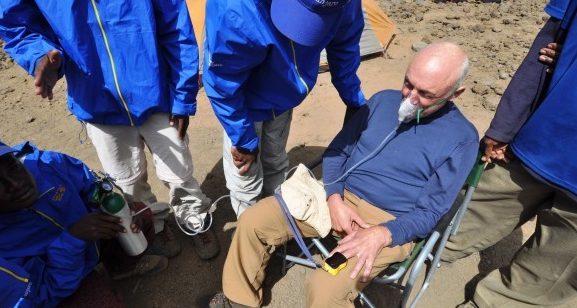
In emergency situations, such as severe Acute Mountain Sickness (AMS), oxygen masks may be administered to alleviate symptoms and facilitate a safe descent to lower altitudes. For conditions like High Altitude Cerebral Edema (HACE) or High Altitude Pulmonary Edema (HAPE), quick descent is crucial. While oxygen can provide temporary relief, either avoiding higher altitudes or descending is the safest approach for those experiencing symptoms.
An exception applies when climbers tackle the Western Breach route, where descent is challenging and stretcher evacuation isn’t feasible. In such cases, oxygen (and/or dexamethasone) might be provided to assist climbers in ascending to the crater rim, followed by a swift descent via Stella Point.
While Everest climbers use oxygen in the “death zone” above 26,000 ft, this practice isn’t suitable for Kilimanjaro. Using oxygen on Kilimanjaro might mask altitude sickness symptoms and disrupt natural adaptation. Acclimatization on Kilimanjaro occurs gradually and requires a slow ascent, staying hydrated, and considering longer routes for better acclimatization protocols.
When approaching Kilimanjaro, it’s vital to prioritize safety and the genuine accomplishment of reaching its summit. Rather than relying on supplemental oxygen, focus on acclimatization techniques, consulting with medical professionals, and ensuring optimal physical condition to truly embrace the journey.
If you liked our post Kilimanjaro: Do I Need Supplemental Oxygen to Climb?, you might also like to read our Altitude Sickness and Acclimatization on Kilimanjaro

If you’re dreaming of climbing Kilimanjaro, the question of how long the journey takes is likely on your mind. The duration of your climb depends on various factors, but let’s break it down to help you plan your ascent effectively.
The time it takes to climb Mount Kilimanjaro varies based on the route you choose and your acclimatization process. On the longer routes, the journey to the summit, Uhuru Peak, and the descent to the finishing point can span from five to nine days. Spending more days on the mountain enhances your chances of summiting successfully and reduces fatigue.
It’s important to note that trekkers who opt for a shorter 5-day climb tend to have the lowest success rate, while those who allocate 8 or 9 days have significantly higher odds of reaching the Roof of Africa.
Selecting a longer route provides the essential advantage of proper acclimatization, increasing your summit success rate. It also reduces the risk of fatigue and injuries. Longer treks like Lemosho, Machame, Rongai, or Northern Circuit allow your body to adjust gradually, enhancing your enjoyment of the journey and safety.
It’s worth noting that elite athletes have set impressive records for summiting Mount Kilimanjaro. For instance, Karl Egloff from Switzerland holds the record at 4 hours and 56 minutes. Therefore showcasing what remarkable feat elite climbers can achieve!
In conclusion, while it’s possible to complete Kilimanjaro’s ascent in 5 or 6 days, choosing a longer route enhances your safety and chances of success. Carefully considering factors like acclimatization, physical fitness, and route choice will help you make an informed decision and fully embrace this extraordinary adventure.
If you liked our blog post Climbing Kilimanjaro: Understanding Timeframes and Routes, you might also like to read Kilimanjaro: Do I Need Supplemental Oxygen to Climb?.

When embarking on a journey to Tanzania, safeguarding your health is of paramount importance. Here’s an informative guide on the Health Measures & Necessary Vaccinations to take for a safe and enjoyable trip to Tanzania.
Before traveling to East Africa, it’s crucial to understand the recommended vaccines and preventive measures. To determine which vaccinations are essential for your trip, consult a healthcare provider who can assess your travel plans and personal health.
Malaria poses a serious risk in East Africa. Protect yourself by seeking prescription antimalarial drugs from your healthcare provider. Choose from options like atovaquone/proguanil, doxycycline, mefloquine, or primaquine under special circumstances.
For entry into Tanzania from countries with yellow fever presence, such as Kenya, a yellow fever vaccination certificate is mandatory.
Guard against food and waterborne diseases by ensuring the safety of your food and drinking water. These illnesses, stemming from viruses, bacteria, or parasites, are a primary cause of traveler discomfort. Safeguard against infections such as E. coli, Salmonella, cholera, and typhoid fever.
As of September 15, 2022, air travelers to Tanzania are exempt from vaccination and testing requirements for COVID-19. However, land border crossings necessitate specific measures:
Though you might have heard about Ebola outbreaks in Africa, the risk of exposure to Ebola while in Tanzania is currently zero. Previous outbreaks were distant and isolated, occurring in West Africa. The virus transmits through direct contact with infected body fluids, posing minimal risk to tourists.
Prioritizing your health is crucial while preparing for a Tanzanian adventure. By following recommended vaccinations, antimalarial medications, and preventive measures against diseases, you can fully enjoy your journey while staying safe and well.
If you liked our blog post Vaccinations and Health Measures for Tanzania Travel, you might also like to read Climbing Mount Kilimanjaro: Understanding Timeframes and Routes.

Moshi, a picturesque town nestled on the slopes of Mount Kilimanjaro in northern Tanzania, is a destination worth exploring. If you’re planning a visit, here’s a detailed guide on how to get there:
The most convenient way to reach Moshi is by flying into Kilimanjaro International Airport (JRO). Airlines like KLM/Kenya Airways, Ethiopian, and Condor operate here. Once you land at JRO Airport, we offer a private transfer to Moshi for $50 one way.While tickets to Kilimanjaro Airport might be a bit pricier compared to flights to Nairobi or Dar es Salaam, it’s a cost-effective choice considering the time saved on bus travel, domestic flight expenses, Kenyan visa costs (if flying to Nairobi), and the potential savings of avoiding two hotel nights in Nairobi or Dar es Salaam.
Arrive Early for Your Trek or Safari – It’s a good idea to arrive at least one day prior to your Kilimanjaro trek or safari departure. This buffer day allows you to settle in and acclimate to the new environment.
Buses between Dar es Salaam and Moshi are priced at approximately $50 per person for a one-way trip, taking around 8 hours. Morning departures are available. Alternatively, domestic flights take around 1 hour, costing about $240 one way. Secure hotel options in Dar es Salaam range from $70 to $150 for a double room. We’re here to assist you with hotel bookings and transportation to/from Dar es Salaam.
For traveling between Nairobi and Moshi, flight options are available through Kenya Airways and Precision Airways. Moreover, we can easily book these flights online.
The “Riverside” bus shuttle connects Nairobi and Moshi, charging $40 per person each way for a journey of about six hours. The shuttle departs Nairobi at 8 am daily. Arrive 30 minutes early for luggage loading. The shuttle halts at the Tanzanian border for immigration and customs checks; a visa is required to enter Tanzania. Although the route might be a bit bumpy due to ongoing construction, it offers an authentic African experience. The shuttle also stops in Arusha for a shuttle switch and lunch. Feel free to bring your own snacks and drinks for the ride.
Additionally, a private car option is available from Nairobi to Moshi. This car accommodates 7-8 people, or you can choose a mini-bus for 20-25 passengers. You decide the pickup time and location, and we handle the transportation arrangements. The cost for a 7-8 person car is approximately $500 one way.
Flights to/from Mombasa are around $150.
If your Tanzanian journey concludes in Zanzibar, you can find international flights to/from Zanzibar. Domestic flights between Zanzibar (ZNZ) and Kilimanjaro (JRO) are approximately $240 one way per person.
If your travels take you to Kenya, keep in mind that the visa costs are at least $50 per person.
If you liked How to Get to Moshi, you might also like our Should you use Diamox while Climbing Kilimanjaro.

If you like mountaineering, you’ve probably heard about Diamox. Let’s discuss its use and benefits!
Kilimanjaro’s peak stands at an impressive 19,341 feet above sea level, categorized as “extreme altitude.” Unlike Everest, supplemental oxygen isn’t necessary to conquer Uhuru Peak safely.
However, the threat of altitude sickness and related complications looms large, often causing climbers to turn back or fail to reach the summit. Altitude sickness can affect even the fittest hikers. While gradual acclimatization is ideal, allowing your body to adjust slowly, a medication called Diamox can facilitate this process.
Note: This article and its information are not meant to diagnose, treat, prevent, or cure any condition. It’s essential to consult your healthcare professional before considering any suggestions here.
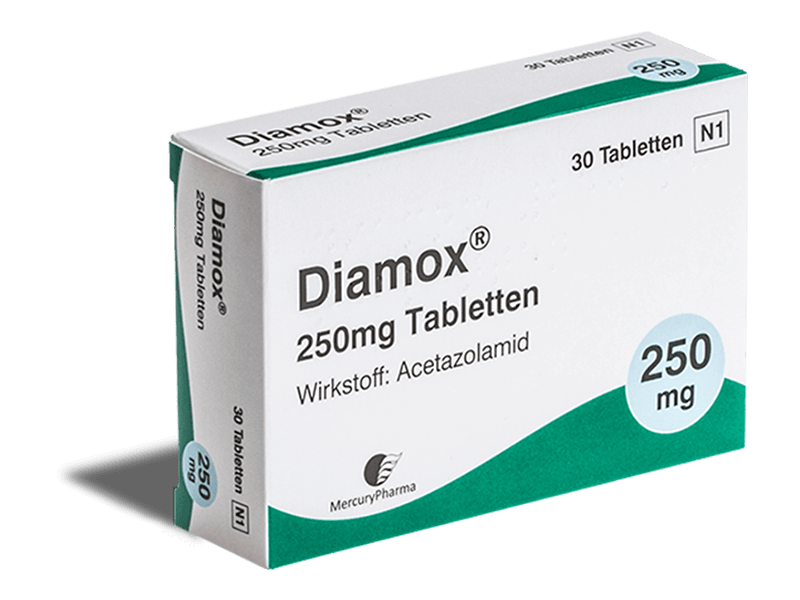
Diamox, or acetazolamide, is commonly used to treat glaucoma, certain forms of epilepsy, and edema resulting from heart failure or drug-induced causes.
In the climbing community, it’s utilized to expedite acclimatization during a well-planned ascent.
This oral prescription medication requires a doctor’s consultation to determine its suitability for you. Individuals with pre-existing conditions or kidney and liver issues may find it unsuitable.
According to the Wilderness Medical Society, Diamox can notably reduce the occurrence and severity of altitude sickness by hastening the body’s adaptation mechanisms. Several studies confirm that when combined with proper acclimatization practices, trekkers who take low doses of this medicine are less likely to develop mountain sickness, and if they do, its impact is generally milder.
Diamox doesn’t cure altitude sickness; it’s used as a preventive measure.
Acetazolamide, a sulfonamide medication, prompts the kidneys to eliminate bicarbonate. This action re-acidifies the blood, tricking the body into believing there’s an excess of carbon dioxide. This acts as a respiratory stimulant. The diuretic effect leads to increased urination, while the breathing stimulation helps counter the periodic breathing pattern during sleep.
Taking this medicine leads to deeper breathing and more frequent urination.
Climbers often report these main side effects:
As recommended by the Wilderness Medical Society, a dosage of 125mg twice daily is suggested, starting two days prior to your climb’s commencement. Dr. Peter Hackett from the Institute for Altitude Medicine supports this recommendation. Some individuals find half this dosage effective as a prophylactic measure.
Myth: Diamox masks altitude sickness symptoms.
Reality: It accelerates natural acclimatization and doesn’t conceal symptoms.
Myth: Diamox ensures freedom from altitude sickness.
Reality: Altitude sickness can still occur, but Diamox aids acclimatization.
Myth: Diamox prevents altitude sickness from worsening.
Reality: It won’t protect you from mountain sickness if you’re already symptomatic.
Myth: Diamox is essential for Kilimanjaro summit.
Reality: Many climbers summit safely without it.
Myth: Using Diamox is cheating.
Reality: It accelerates natural acclimatization, increasing summit success chances.
Myth: Stopping Diamox worsens symptoms.
Reality: Discontinuing it doesn’t worsen acclimatization.
Consult your physician for personalized advice. If allergic to sulfa medications, avoid it. Taking unnecessary medication is a personal choice; some climbers opt for it to maximize elevation performance, while others prefer natural methods.
With your doctor’s approval, consider a 2-4 day trial of Diamox before your Kilimanjaro journey to identify any side effects and avoid confusion with altitude sickness.
Natural remedies claim various benefits, but Diamox remains the only consistently tested medication.
A few common alternatives include Gingko Biloba, Coca leaves, Beetroot, and Garlic. Remember that consistent scientific evidence is lacking for these options.
For minor pain relief, ibuprofen is preferable on Kilimanjaro. Consult your guide before taking it, as it might mask early altitude sickness symptoms.
Though mosquitos are rare above 6000ft on Kilimanjaro, malaria risk exists in areas like Moshi or Arusha.
Talk to your doctor about antimalarial prophylaxis, like Malarone, with minimal side effects. Prophylaxis doesn’t guarantee immunity; precautions like mosquito repellents, nets, and clothing are crucial.
Acclimatization is key. Opt for a longer route and pace yourself. Stay hydrated, and if you choose Diamox, adjust water intake accordingly. Promptly notify your guide of any discomfort.
Still have questions? Reach out for guidance in selecting your route or planning your Tanzanian adventure.
If you liked this article, you might also like our How to Get to Moshi.