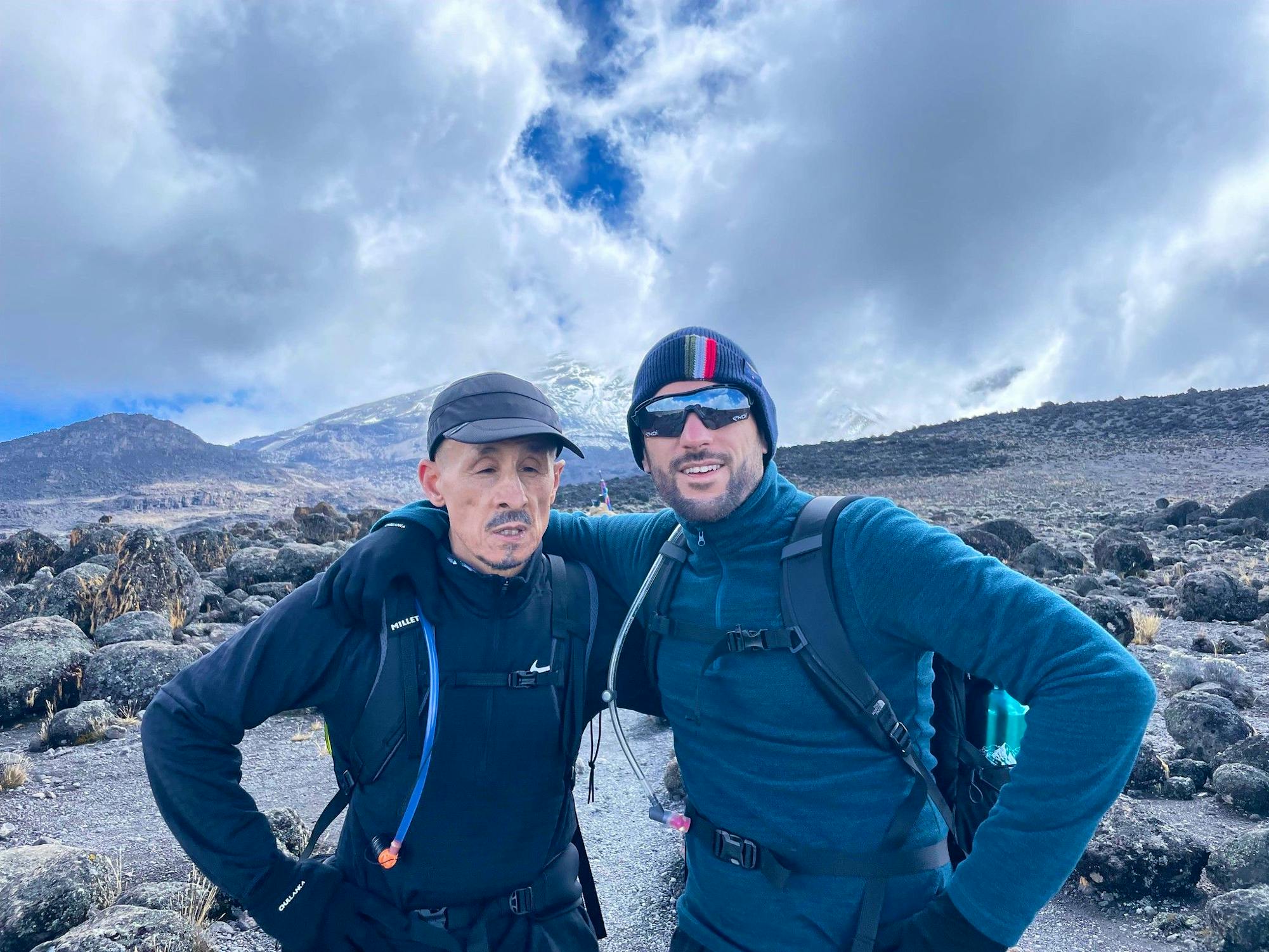
Who: Dr. Laura King, PhD, 48. Johnsburg, IL
Oura Tip: Understanding your Readiness Score and how it correlates to the way you feel can help you make better choices about whether to push through or give your body a break. “This has been very important to my overall health and has helped me improve my HRV and my resting heart rate,” King says.
Recently retired, Dr. Laura King, PhD, served as the Chief of Police for the McHenry County Conservation District Police Department in Illinois for five years, and as a police officer for 28 years in total. King earned her doctorate of philosophy and her master’s degree in psychology at Capella University and uses her formal education to inform and improve law enforcement operations. She also travels the country speaking on matters of mental wellness, psychological resilience, and physical fitness in law enforcement.
What led you to Oura?
During the Covid pandemic, I purchased Oura Ring for myself and then for the rest of my team at work. I bought it so we could track temperature trend fluctuations [which can signify that the body is under strain from stress or sickness]. As law enforcement officers, we needed to continue working, so I wanted to ensure I was doing something to protect myself and others.
Since then, Oura has helped me realize how my choices impact my health and the way I feel. I now use Oura for total health optimization, and most recently, used Oura to help inform my experience training for and climbing Mt. Kilimanjaro in Africa with my family.
What made you decide to purchase rings for your team?
As Chief of Police, it was my responsibility to ensure we were being proactive during the pandemic. For example, after using Oura to detect early signs of COVID-19 symptoms, two team members did not come to work — that prevented others from getting sick, which was very useful.
Additionally, physical fitness and mental wellness are very important for police officers. We have to be in a good headspace at work; we don’t want to be irritable with the public. The effects of sleep deprivation and not taking care of our health have serious consequences.
What other benefits did you notice among your workforce?
Many officers on my team benefited from using Oura. One noticed that even a single beer increased his resting heart rate and lowered his Sleep Score for three days, so he stopped drinking. It motivated a few officers to go to the doctor and recommit to a daily workout routine. Overall, the results were amazing.
In 2023, my department won the National Award for Officer Wellness, beating police agencies across the country. After the 12-month initiative, the officer productivity increased by 300%, and their non-scheduled sick time dropped by 67%. Using Oura was reported as one of the creative strategies that empowered officers to take control of their health.
I’m also the Head of the National Suicide Awareness for Law Enforcement organization and go around the country talking about how we can make the police profession more healthy to better serve our communities. Oura often comes up in conversation.
How did you use Oura to train for your Mt. Kilimanjaro hike?
My family and I had been training for months — going to CrossFit, using oxygen deprivation masks, doing interval hill rides on Peloton, hiking with weighted backpacks, and going alcohol-free.
The training regime was tough. It’s very easy to make excuses for exercise, especially when you are pushing yourself more than normal. But my Oura data helped to keep me on track. For example, if I saw I had a low Readiness or Sleep Score, I’d ease up and prioritize recovery. If my scores were high, I knew I could push through — it was just a mental challenge, not a physical one.
Being responsive to my body’s needs in this way actually helped me improve my heart rate variability and resting heart rate.
I also started paying closer attention to my sleep and the habits that were impacting it — like alcohol consumption, meal timing, bedtime habits, and scheduling choices.
How was your experience climbing Mt. Kilimanjaro, and how did Oura play a role?
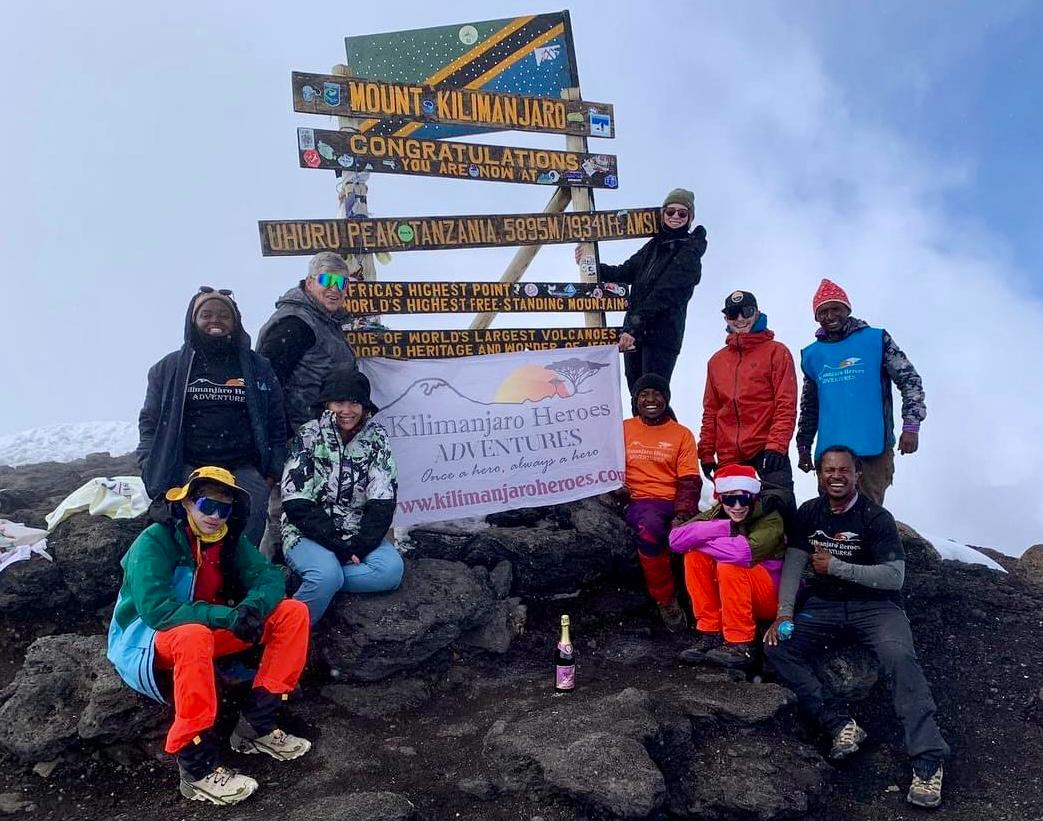
It was an 8-day summit during which we carried 30-lb backpacks, hiked up to 10 miles a day uphill, and slept on the mountain in a tent. It was a very challenging experience!
There were a couple of days on the mountain when I felt like I couldn’t go on, and my internal narrative was getting negative. The psychological challenges were harder than the physical ones! But having the Oura data was psychologically reassuring — I knew that my body was doing fine — it was just my mind I needed to overcome.
I believe that by using Oura in my training, I became very familiar with my body’s patterns. So after sleeping only three hours the first night, I expected to see a low Readiness Score. I knew it was because of compromised sleep, and that I’d be able to recover the next day. This helped me avoid the exhaustion or overwhelm getting to me.
On the expedition, I used Oura to monitor my resting heart rate and blood oxygen levels, which are two vital metrics as you ascend at high altitude. Oura gave me crucial information and insight that helped me understand my body’s response to the extreme conditions I was experiencing. This gave me peace of mind, knowing my body was okay.